

What are designer fabrics: quality and durability guide
Many homeowners believe designer fabrics automatically guarantee superior quality and longevity, but this assumption can lead to costly mistakes. The reality is far more nuanced. Designer fabrics vary widely in durability, material composition, and suitability for different applications. Understanding what truly defines quality in upholstery and window treatment fabrics requires looking beyond brand names to examine construction techniques, fiber types, and performance testing. This guide will equip you with the knowledge to make informed fabric selections that balance aesthetics, durability, and value for your home projects.
Table of Contents
- What Defines Designer Fabrics?
- Durability And Performance Of Designer Fabrics
- Balancing Beauty, Function, And Cost In Designer Fabric Selection
- Practical Tips For Selecting And Maintaining Designer Fabrics
- Explore Our Premium Designer Fabrics Collection
- Frequently Asked Questions
Key takeaways
| Point | Details |
|---|---|
| Designer label doesn’t guarantee quality | Fabric performance depends on materials, construction, and testing, not just brand reputation. |
| Durability is measurable | Martindale and Wyzenbeek tests provide objective data on fabric resistance to wear and abrasion. |
| Synthetic fibers often outperform natural ones | Polyester blends typically show higher rub counts than silk or linen in durability testing. |
| Lifestyle dictates fabric choice | Households with kids or pets need higher rub counts and stain-resistant treatments for longevity. |
| Proper maintenance prevents damage | Following care instructions prevents the 40% of fabric damage caused by improper cleaning methods. |
What defines designer fabrics?
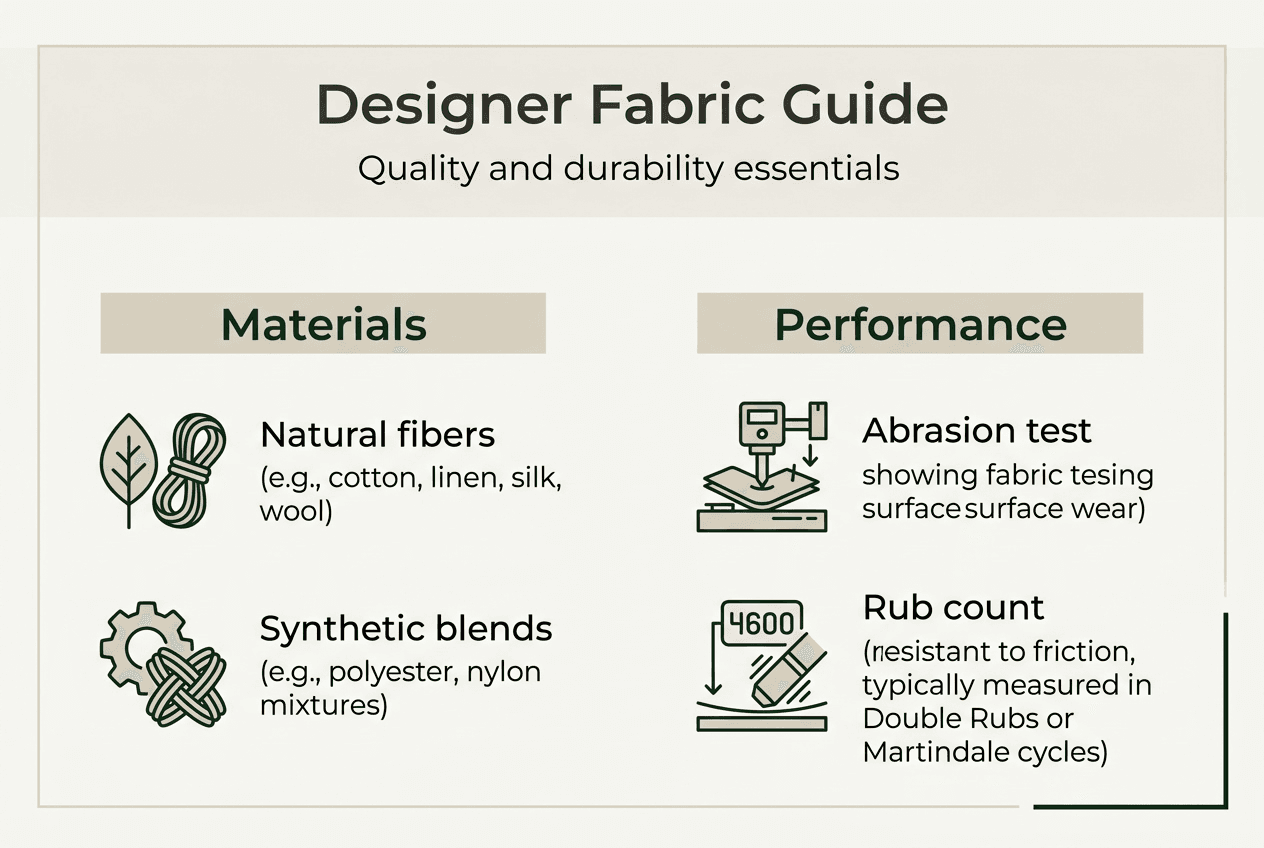
Designer fabrics are distinguished by unique design elements, premium materials, and refined construction techniques that set them apart from mass-market options. These textiles often feature exclusive patterns, innovative weaves, and carefully selected fiber blends that create distinctive visual and tactile experiences. Materials range from luxurious natural fibers like silk, linen, and wool to high-performance synthetics including polyester blends engineered for specific applications.
The perceived superiority of designer fabrics stems largely from brand reputation, fabric origin, and technical specifications rather than inherent quality guarantees. Interior Design survey data reveals that quality varies greatly depending on the brand, material, and construction methods employed. A prestigious label might indicate attention to detail and design innovation, but it doesn’t automatically ensure the fabric will withstand daily use in your home.
Common misconceptions exist about inherent superiority. Not all designer fabrics outperform mid-range options in practical applications. A beautifully designed silk damask might look stunning but prove impractical for a family room sofa subjected to daily use. Understanding fiber types and weave construction helps you distinguish genuine quality from marketing hype and select fabrics suitable for your intended use.
Key factors that define designer fabric quality include:
- Fiber content and blend ratios that affect durability and feel
- Thread count and weave density influencing strength and appearance
- Finish treatments adding stain resistance or UV protection
- Pattern complexity and color fastness ensuring long-term beauty
- Manufacturing origin and quality control standards
When exploring upholstered fabric selection, consider how construction techniques impact performance. Tightly woven fabrics generally resist pilling and wear better than loosely woven alternatives. Understanding curtain fabric types helps you match material properties to functional requirements in window treatments.
Pro Tip: Request detailed specification sheets from suppliers that include fiber content, weight, and any performance testing results before committing to expensive designer fabrics.
Durability and performance of designer fabrics
Durability testing provides objective measurements of how fabrics withstand real-world wear and tear. The two primary abrasion resistance tests are Martindale and Wyzenbeek, which simulate the friction and pressure fabrics experience during daily use. Martindale testing measures fabric resistance to abrasion using 12 kPa pressure to imitate the weight of a seated person, counting rubs until visible wear appears.
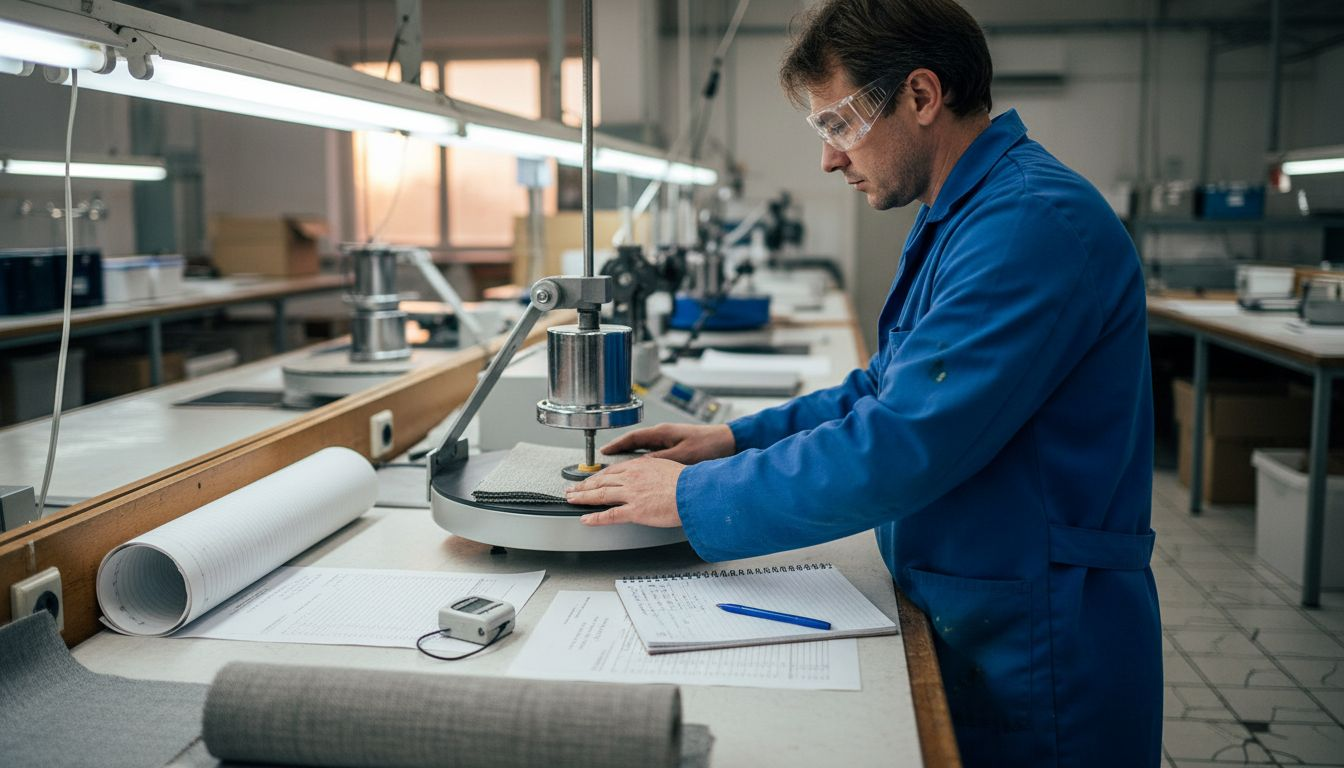
The Martindale method uses circular motion and standardized pressure, making it the preferred test in Europe and increasingly worldwide. Wyzenbeek testing, more common in North America, uses a different motion pattern but serves the same purpose of predicting fabric longevity. Both tests generate rub count ratings that indicate expected performance levels.
Synthetic fibers demonstrate higher resistance than natural fibers in most abrasion tests. Polyester and nylon blends routinely achieve 50,000 to 100,000+ rubs, while natural silk or linen might only reach 10,000 to 15,000 rubs before showing wear. This performance gap doesn’t mean natural fibers lack value, but it does inform appropriate applications.
For home upholstery applications, fabric rub counts between 20,000 and 50,000 provide ideal durability for general wear and tear. Light-use furniture in formal living rooms can perform well with lower counts, while family room sofas and dining chairs benefit from higher ratings. Commercial-grade fabrics rated at 100,000+ rubs suit high-traffic environments like hotel lobbies or restaurant seating.
| Fabric Type | Typical Rub Count | Best Application |
|---|---|---|
| Delicate silk | 10,000-15,000 | Decorative pillows, formal drapery |
| Natural linen | 15,000-25,000 | Light-use seating, curtains |
| Cotton blends | 20,000-40,000 | Moderate-use upholstery |
| Polyester blends | 40,000-100,000+ | High-traffic furniture, family rooms |
| Commercial synthetics | 100,000+ | Contract seating, heavy-use areas |
Fabric choice directly impacts longevity and maintenance requirements. Improper care causes significant damage regardless of initial quality. Understanding your upholstered fabric durability needs before purchasing prevents disappointment and premature replacement.
Performance considerations extend beyond abrasion resistance:
- Colorfastness ratings indicate resistance to fading from sunlight exposure
- Pilling resistance shows how well fabric maintains smooth appearance
- Seam slippage measurements predict structural integrity under stress
- Stain resistance treatments affect cleanability and maintenance ease
Regular maintenance following manufacturer guidelines preserves fabric appearance and extends usable life. Learn proper fabric sofa cleaning tips to protect your investment and avoid common cleaning mistakes that accelerate wear.
Pro Tip: Choose fabrics with higher rub counts if you have kids or pets for longer-lasting furniture that maintains its appearance despite heavy daily use.
Balancing beauty, function, and cost in designer fabric selection
Designer fabrics command premium prices justified by quality materials, exclusive designs, and brand reputation, but mid-range alternatives sometimes offer comparable performance at lower cost. The challenge lies in determining when premium pricing delivers genuine value versus when you’re primarily paying for label prestige. Interior designer surveys show that 60% prioritize aesthetics and brand while 40% emphasize cost-effectiveness and performance in fabric selection decisions.
Pattern matching on complex upholstery projects introduces additional planning requirements and potential material waste. Large-scale repeats or intricate designs require careful alignment across seams and cushions, often necessitating extra yardage. Pattern matching waste reaches 15% on average, while improper cleaning causes 40% of fabric damage claims according to industry studies. These hidden costs affect total project budgets significantly.
Cleaning challenges with delicate designer fabrics require strict adherence to care instructions. Water-based cleaning methods can permanently damage silk or wool fabrics requiring dry cleaning only. Conversely, some synthetic performance fabrics tolerate aggressive cleaning that would destroy natural fibers. Understanding maintenance requirements before purchase prevents costly mistakes and ensures long-term satisfaction.
| Consideration | Designer Premium | Mid-Range Quality |
|---|---|---|
| Initial cost per yard | $80-$300+ | $30-$80 |
| Durability rating | Variable (brand dependent) | Often comparable in synthetics |
| Design exclusivity | High, limited availability | Moderate, wider distribution |
| Cleaning requirements | Often specialized care needed | Generally easier maintenance |
| Resale/prestige value | Higher perceived value | Functional focus |
Balancing aesthetics, durability, and budget creates sustainable fabric investments that perform well and maintain beauty over time. A stunning designer fabric that requires professional cleaning after every spill might prove less practical than a beautiful mid-range performance fabric with built-in stain resistance for active households.
Practical budget considerations include:
- Total yardage needed including pattern repeat waste
- Professional installation or workroom fees for complex projects
- Ongoing maintenance and cleaning costs over fabric lifespan
- Replacement timeline based on expected wear patterns
- Protective treatments like stain guards or UV blockers
Explore window treatment fabric tips to understand how fabric choice affects both initial investment and long-term performance in drapery applications. Different requirements apply when choosing drapery fabrics compared to upholstery selections.
Value assessment requires looking beyond price tags to total cost of ownership. A moderately priced fabric lasting ten years with minimal maintenance delivers better value than an expensive option requiring replacement after five years due to wear or cleaning damage. Calculate cost per year of expected use rather than focusing solely on initial purchase price.
Pro Tip: Plan pattern layouts carefully with your designer or supplier to minimize waste and control costs, especially with large-scale repeats or directional designs.
Practical tips for selecting and maintaining designer fabrics
Knowing your lifestyle needs forms the foundation of successful fabric selection. Households with children, pets, or frequent entertaining require different performance characteristics than adult-only homes with formal living spaces. Use frequency, exposure to sunlight, and typical activities in each room affect appropriate fabric choices significantly.
Selecting fabrics that balance comfort, durability, and compatibility with existing décor and window treatments creates cohesive, functional interiors. Material intelligence in luxury upholstery means choosing fabrics aligned with function and lifestyle rather than aesthetics alone. Upholstery fabric serves as critical interface for comfort and durability in interior design applications.
Following manufacturer cleaning instructions meticulously prevents the majority of avoidable fabric damage. Each fabric type has specific care requirements based on fiber content, finish treatments, and construction methods. Ignoring these guidelines voids warranties and accelerates deterioration.
Step-by-step fabric selection process:
- Assess intended use and exposure conditions for each application
- Confirm durability ratings meet or exceed your performance needs
- Understand cleaning requirements and ensure they fit your maintenance capabilities
- Test fabric samples in your actual space under natural lighting conditions
- Consult with suppliers or designers about installation and care best practices
Testing samples before committing to large purchases reveals how fabrics perform in your specific environment. Colors appear different under various lighting conditions. Textures feel different when experienced in person versus online photos. Small sample investments prevent expensive mistakes on full yardage orders.
Maintenance best practices include:
- Vacuum upholstered furniture weekly using appropriate attachments
- Rotate cushions regularly to distribute wear evenly
- Address spills immediately following proper cleaning protocols
- Protect fabrics from direct sunlight with window treatments or UV film
- Schedule professional cleaning based on manufacturer recommendations
Learn comprehensive fabric sofa cleaning guide techniques to maintain appearance and extend fabric life. Understanding proper methods for different fabric for drapery applications ensures window treatments remain beautiful for years.
Documenting fabric specifications and care instructions for future reference helps maintain consistency if repairs or additions become necessary. Keep sample swatches, purchase receipts, and manufacturer care tags in a home maintenance file. This information proves invaluable when matching fabrics later or troubleshooting cleaning issues.
Professional consultation adds value when tackling complex projects or working with expensive materials. Experienced designers and workrooms provide insights on fabric behavior, installation techniques, and maintenance strategies that prevent costly errors. Their expertise often saves more than their fees through efficient material use and proper execution.
Pro Tip: Invest in swatches and test cleaning methods on hidden fabric areas before finalizing your selection to ensure the fabric performs as expected in your home environment.
Explore our premium designer fabrics collection
Now that you understand what separates quality designer fabrics from marketing hype, discover our curated selection of premium textiles engineered for both beauty and performance. We specialize in fabrics that meet rigorous durability standards while delivering the aesthetic impact your projects deserve.
Our collection includes performance-tested options perfect for demanding applications. Explore our silver waterproof canvas fabric for outdoor furniture that withstands weather exposure, or discover the elegant french teal fabric smooth polyester blend combining durability with sophisticated style. Browse our complete range of designer fabrics by the yard with detailed specifications, care instructions, and expert support to guide your selection. Request samples to experience quality firsthand before committing to your project.
Frequently asked questions
What are designer fabrics?
Designer fabrics are textiles featuring exclusive patterns, premium materials, and refined construction techniques from recognized brands or design houses. They emphasize unique aesthetics and often incorporate higher-quality fibers, innovative weaves, and distinctive finishes that differentiate them from standard commercial fabrics. Learn more about choosing upholstered fabrics for your specific needs.
Do designer fabrics always last longer than regular fabrics?
No, designer labels don’t guarantee superior durability. Longevity depends on fiber content, weave construction, and performance testing results rather than brand name alone. Some mid-range synthetic fabrics outperform luxury natural fiber designer options in abrasion resistance and practical durability for high-use applications.
How do I know if a designer fabric is worth the price?
Evaluate total cost of ownership including maintenance requirements, expected lifespan, and performance specifications like rub count ratings. Compare these factors against your specific use case rather than focusing solely on initial price. Request detailed spec sheets and samples to assess actual quality versus marketing claims.
What rub count should I look for in upholstery fabric?
Home upholstery typically requires 20,000 to 50,000 rubs for moderate use, while high-traffic areas or households with children and pets benefit from 50,000+ rubs. Light-use decorative applications can perform adequately with lower ratings, but higher counts provide better long-term value and appearance retention.
Can I clean designer fabrics at home?
Cleaning methods depend entirely on fiber content and finish treatments, not designer status. Always follow manufacturer care instructions precisely, as improper cleaning causes 40% of fabric damage. Test any cleaning method on hidden areas first, and consider professional cleaning for delicate or expensive materials to prevent costly mistakes.
Recommended
- Source drapery fabrics for custom window treatments 2026 – Designer Fabrics by the Yard | Drapery Making Services
- Curtain fabric types: Choose perfect fabrics for style – Designer Fabrics by the Yard | Drapery Making Services
- Curtain Fabric Selection Guide 2026: Pick Styles That Last 30% Longer – Designer Fabrics by the Yard | Drapery Making Services
- Role of Fabric in Window Treatments– Impact on Style & Function – Shop Designer Fabrics by the Yard | Curtains & Drapery
- ISG Cotton Shopper Tote Bag – RL100 Customisable (145 GSM EDITION) – The Inner Sanctum Group