


Role of Fabric in Window Treatments– Impact on Style & Function
Finding the perfect balance between beauty and practicality in your Columbia home can feel like a real challenge. Window treatment fabrics offer more than just visual interest—they shape insulation, light control, and daily comfort. With options ranging from natural cotton to durable polyester, your fabric choice becomes a central part of your interior design strategy. Discover how functional material influences both the style and performance of your residential spaces, guiding smart selections that last through every season.
Table of Contents
- Defining Fabric’s Role In Window Treatments
- Types Of Fabrics And Their Distinct Advantages
- How Fabric Impacts Light And Insulation
- Care, Maintenance, And Durability Factors
- Mistakes To Avoid When Selecting Fabrics
Key Takeaways
| Point | Details |
|---|---|
| Understanding Fabric’s Role | Fabric significantly impacts both aesthetics and practical functions like light control and insulation in window treatments. |
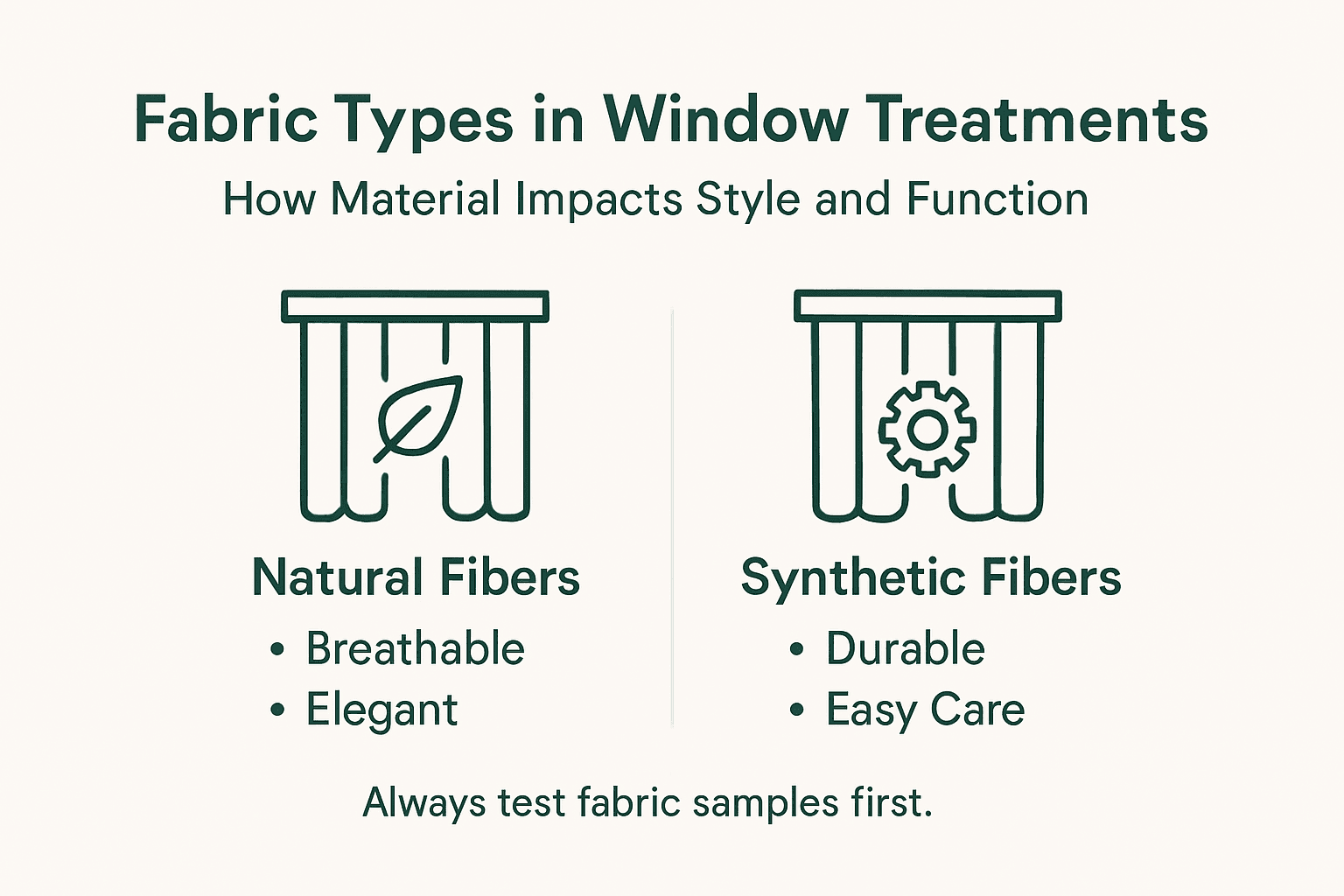
| Natural vs. Synthetic Fibers | Choose natural fibers for breathability and elegance, while synthetic fibers offer durability and low maintenance, shaping your decision based on room usage. |
| Light and Insulation Impact | Fabrics control light entry and insulation levels, affecting energy costs and overall comfort throughout the year. |
| Maintenance is Key | Proper care extends the lifespan of your window treatments, with natural fabrics requiring more attention than synthetic options. |
Defining Fabric’s Role in Window Treatments
Fabric is far more than decoration on your windows. It’s a functional material that shapes both how your room looks and feels. Understanding this dual role helps you make smarter choices for your Columbia home.
Window treatment fabrics serve two distinct purposes working together:
- Visual impact: Color, pattern, and texture set the tone for your entire room
- Practical function: Light control, insulation, and privacy protection
Think of fabric as the bridge between your interior design goals and day-to-day comfort. A fabric might be visually stunning, but if it doesn’t block light when you need darkness, it’s only half the solution.
Fabric composition matters significantly. Fabrics composed of natural or artificial fibers formed through weaving, knitting, or pressing create different performance levels. Cotton drapes differently than polyester. Silk has different light-filtering properties than linen.
Each fabric type brings distinct strength and durability characteristics. A sturdy canvas withstands years of daily use in high-traffic rooms, while delicate gossamer adds elegance but requires careful handling. Your lifestyle determines which trade-offs make sense.
In Columbia’s climate, fabric choice directly affects your comfort. Summer heat and humidity demand fabrics that regulate temperature. Winter cooling costs depend partly on insulating properties of your window treatments.
Your fabric choice determines whether your windows work for you or against you throughout the year.
When designing custom window treatments, consider what each room demands. A bedroom needs blackout capability. A living room might prioritize privacy without sacrificing natural light. A kitchen requires easy-clean durability.
Local homeowners often struggle choosing between aesthetics and functionality. The best fabrics balance both without compromise. That’s why professional fabric recommendations matter—they connect style preferences to real-world performance.
Your window treatment fabric becomes part of your daily experience. Every time you adjust your curtains, you interact with the material’s weight, drape, and texture. Quality fabric makes that interaction pleasant.
Pro tip: Request fabric samples before committing to full window treatments. Feel the weight, observe how light passes through it, and hang it in your actual window for 24 hours to see how it interacts with your room’s natural lighting conditions.
Types of Fabrics and Their Distinct Advantages
Not all window treatment fabrics perform the same way. Your choice determines how your room feels, how much you’ll spend on maintenance, and how long your investment lasts.
Fabric choices break down into two main categories:
- Natural fibers: Cotton, linen, and silk
- Synthetic fibers: Polyester and rayon
Each category brings different strengths to your Columbia home.
Natural Fibers: Breathability and Elegance
Natural fabrics are breathable and versatile, making them ideal for both casual and formal interiors. Cotton feels soft and ages beautifully, developing character over time. Linen offers crisp texture and excellent light filtering. Silk delivers luxury and sophisticated drape but requires careful handling.
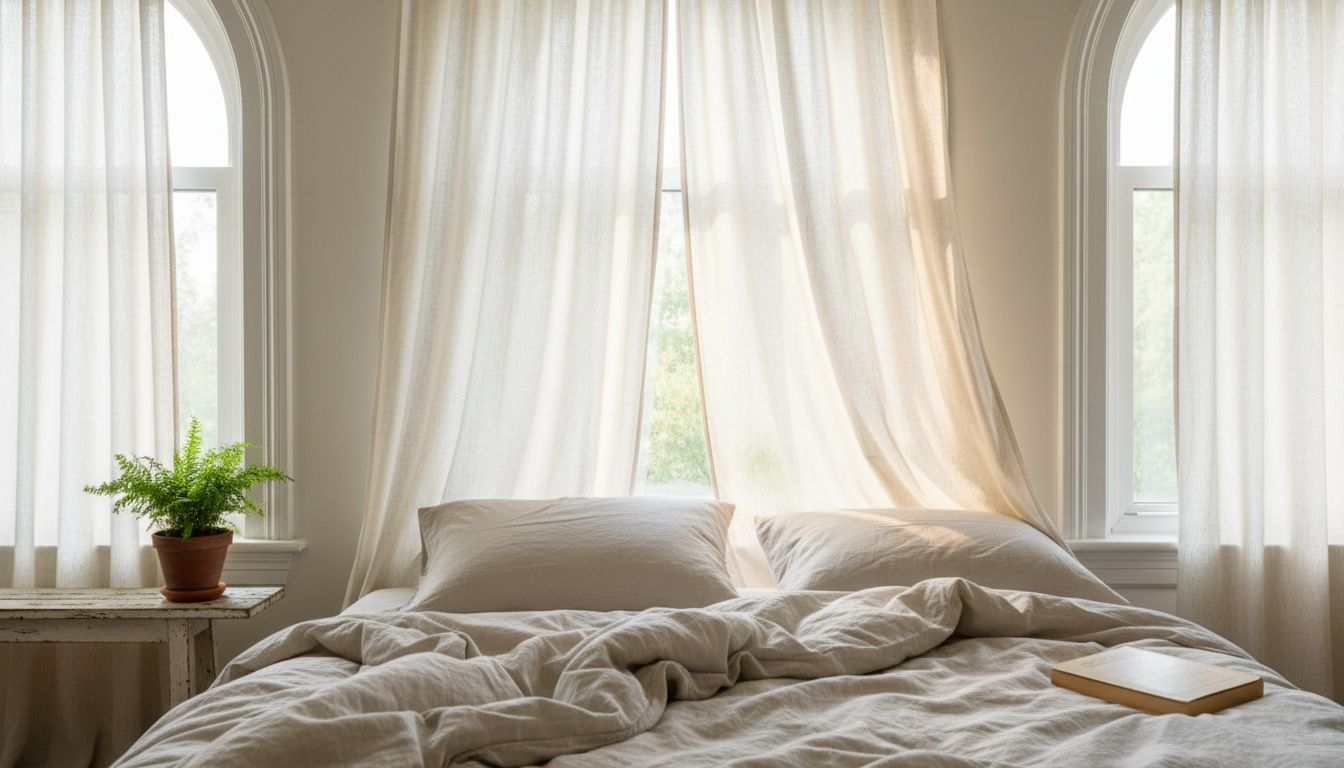
Natural fibers excel at temperature regulation. During Columbia’s hot summers, they allow air circulation while still controlling light. This breathability reduces cooling costs and keeps rooms comfortable year-round.
The trade-off? Natural fabrics typically need more attention. They wrinkle more easily and may require professional cleaning. Silk especially demands careful care to maintain its appearance.
Synthetic Fibers: Durability and Ease
Polyester and rayon offer wrinkle resistance and easy maintenance. Spill on a polyester curtain? Wipe it clean. These fabrics resist fading better than natural alternatives, crucial in sun-exposed windows.
Synthetic fibers cost less upfront and require minimal care:
- No special cleaning products needed
- Resistant to mildew and moisture
- Hold color longer through sunlight exposure
- Ideal for kitchens, bathrooms, and high-traffic areas
Synthetics don’t breathe quite like natural fibers. In humid climates, this matters less than durability and budget considerations.
Choosing Between Them
Consider your room’s purpose. A formal living room in Columbia’s historic neighborhoods looks stunning with natural silk or linen. A children’s playroom demands durable polyester that withstands accidents.
Your lifestyle shapes the decision. Pet owners benefit from synthetic durability. Those prioritizing luxury and environmental impact may choose natural fibers despite higher care demands.
The right fabric choice matches your lifestyle as much as your aesthetic preferences.
Budget matters too. Natural fabrics cost more initially but may provide better long-term value if you’re willing to invest in care. Synthetics offer excellent value for busy households.
Here’s a concise comparison of natural and synthetic fibers for window treatments:
| Attribute | Natural Fibers (Cotton, Linen, Silk) | Synthetic Fibers (Polyester, Rayon) |
|---|---|---|
| Breathability | Excellent air circulation | Limited air flow |
| Maintenance Needs | Require professional cleaning | Easy care, wipe clean |
| Lifespan (Years) | Typically 5-7 with care | Often exceeds 7-10 |
| Cost | Higher upfront investment | More affordable |
| Sun Resistance | Fade more quickly | Strong color retention |
| Ideal Room Types | Formal or low-traffic spaces | Kitchens, bathrooms, kids’ rooms |
Pro tip: Order samples of both natural and synthetic fabrics from Beautiful Window Elgin, live with them for a week, and evaluate how they feel, drape, and respond to your room’s lighting and climate before making your final selection.
How Fabric Impacts Light and Insulation
Your fabric choice controls two critical aspects of home comfort: how much light enters your rooms and how well your windows insulate against outdoor temperatures. These aren’t minor details—they directly affect your energy bills and daily mood.
Light Filtration and Natural Rhythms
Lighter fabrics allow softer natural light, supporting healthy circadian rhythms that regulate sleep and energy levels. Sheer or semi-transparent fabrics diffuse harsh sunlight while maintaining visibility and connection to the outdoors.
Darker, heavier fabrics block more light, essential for bedrooms and media rooms. But blocking too much light in daytime living areas can make spaces feel closed-off and gloomy.
The balance matters. Consider what each room needs:
- Living rooms: Semi-transparent fabrics maintain views while reducing glare
- Bedrooms: Blackout-rated fabrics ensure quality sleep
- Home offices: Light-filtering options prevent screen glare
- Kitchens: Minimal coverage preserves workspace brightness
Thermal Performance and Energy Savings
Thicker or lined drapes enhance insulation by retaining heat in winter or blocking solar gain in summer. In Columbia’s climate, this translates to measurable savings on heating and cooling costs.
Fabric weight and composition determine insulating ability. Heavier weaves trap air, creating thermal barriers. Lined drapery adds another protective layer, dramatically improving performance.
Color plays a role too. Light-colored fabrics reflect heat away from your home during summer, while dark fabrics absorb warmth—useful in winter but problematic during hot months.
Below is a summary of how fabric choices impact comfort and energy use in your home:
| Fabric Characteristic | Impact on Light | Effect on Comfort & Costs |
|---|---|---|
| Sheer/Lightweight | Soft, diffuse | Enhances daylight, uplifts mood |
| Heavy/Lined | Blocks sunlight | Improves insulation, lowers bills |
| Light-Colored | Reflects heat | Keeps rooms cooler in summer |
| Dark-Colored | Absorbs warmth | Warms rooms in winter |
| UV Resistant | Reduces fading | Protects furniture, decor |
UV Protection and Interior Preservation
Fabrics reduce glare and protect interiors from UV damage, preserving furniture, artwork, and flooring from fading. Over time, this protection saves thousands in replacement and restoration costs.
Quality window treatment fabrics act as invisible guardians against sun damage while maintaining the aesthetic beauty of your home.
The right fabric balances light, temperature, and protection—working silently to improve your home’s comfort and longevity.
Making the Right Choice
Assess your priorities. Do you prioritize natural light, thermal control, or UV protection? Most homeowners benefit from solutions addressing multiple needs.
Window treatment choices affect home comfort in measurable ways, impacting both your utility bills and quality of life throughout each season.
Pro tip: Test fabric samples in your actual window during different times of day—morning light behaves differently than afternoon sun—to see exactly how each option performs in your specific room before committing to the full installation.
Care, Maintenance, and Durability Factors
Your window treatment investment only lasts as long as you maintain it. Proper care separates fabrics that look great for years from those that fade and deteriorate within months.
The good news? Most maintenance is simple and requires minimal effort.
Daily and Weekly Care
Routine care involves gentle dusting and vacuuming using soft brushes or lint-free cloths to preserve fabric integrity. This prevents dust accumulation, which traps moisture and degrades fibers over time.
Make this a simple habit:
- Dust curtains weekly with a soft brush attachment on your vacuum
- Use lint-free cloths to wipe fabric gently
- Avoid dragging curtains across dusty surfaces
- Keep windows clean to reduce dust settling on fabrics
These small actions dramatically extend fabric life. Columbia’s humidity can accelerate dust and mold issues, making regular dusting even more important.
Spot Cleaning Techniques
Spot cleaning with mild detergents and damp cloths effectively removes stains before they set permanently. The key is acting quickly—fresh spills are easier to remove than aged stains.
When treating stains, always test solutions on hidden fabric areas first. Mix mild dish soap with cool water, apply gently with a damp cloth, and blot—never rub aggressively.
What to avoid:
- Harsh chemicals that damage fibers
- Rough rubbing that causes pilling or fading
- Hot water that sets protein-based stains
- Bleach on colored fabrics
Patience matters more than force. Multiple gentle applications work better than one aggressive scrubbing.
Professional Deep Cleaning
Professional cleaning methods like ultrasonic baths and injection/extraction treatments handle deep cleaning safely. For expensive or delicate fabrics—silk, wool, or custom drapery—professional care protects your investment.
Plan professional cleaning every 1-2 years, or more frequently in high-dust environments. This removes accumulated dust, allergens, and deeply embedded grime that home methods can’t address.
Durability Expectations by Fabric Type
Natural fabrics typically last 5-7 years with proper care. Synthetics often exceed 7-10 years. Lined drapery lasts longer because the lining protects the front fabric from direct sunlight.
Quality matters tremendously. High-quality fabrics resist fading, pilling, and deterioration far better than budget alternatives.
Proper maintenance isn’t optional—it’s the difference between a five-year fabric and a ten-year fabric.
Recognizing When Replacement Becomes Necessary
Even with excellent care, fabrics eventually wear out. Signs include noticeable fading, brittleness, small tears, or persistent stains that won’t lift. These indicate it’s time for fresh window treatments.
This isn’t failure—it’s the natural lifecycle of textiles exposed to light, temperature changes, and use.
Pro tip: Create a simple maintenance schedule: dust weekly, spot-clean stains immediately, and schedule professional cleaning annually for premium fabrics or every 18 months for standard window treatments to maximize lifespan and keep your windows looking fresh.
Mistakes to Avoid When Selecting Fabrics
Choosing the wrong fabric is one of the most expensive interior design mistakes homeowners make. The good news? Most errors are preventable with awareness and planning.
Understanding common pitfalls helps you make confident choices that you’ll love for years.
Ignoring Your Climate and Lifestyle
Columbia’s heat and humidity demand specific fabric performance. Choosing delicate silk for a kitchen or humid bathroom is asking for trouble. The fabric will degrade quickly, and you’ll regret the investment within months.
Consider these factors:
- Your room’s humidity levels: Kitchens, bathrooms, and laundry areas need moisture-resistant synthetics
- Sun exposure: South-facing windows require fade-resistant fabrics
- Traffic patterns: High-use areas need durable, stain-resistant materials
- Pets and children: Homes with messy inhabitants need easily cleanable fabrics
Your lifestyle should guide your fabric selection. Luxury fabrics have their place, but not everywhere.
Selecting Fabric Without Testing First
Choosing the right fabric for drapery requires hands-on evaluation. Ordering fabric based solely on pictures or online descriptions often leads to disappointment. Colors look different in natural light than under store lighting. Texture feels different in person than it appears in photographs.
Always request samples. Hang them in your actual window for at least 24 hours. Watch how light interacts with the fabric. Feel the weight and drape. This small step prevents costly mistakes.
Prioritizing Style Over Function
Beautiful doesn’t mean practical. A stunning sheer fabric may look elegant but won’t provide privacy or blackout capability. Conversely, heavy thermal fabrics solve function beautifully but may overwhelm small rooms visually.
The best choices balance both. Ask yourself: what does this room need to do first, then how can we make it beautiful?
Overlooking Fabric Weight and Drape
Fabric weight determines how your curtains hang and move. Lightweight fabrics create breezy, casual looks but don’t provide thermal benefits. Heavy fabrics provide insulation and dramatic appearance but may overwhelm delicate spaces.
Room proportions matter. Large windows and high ceilings can handle heavier fabrics. Small spaces need lighter materials that don’t overwhelm.
Mismatching Fabric to Budget
Expensive fabrics aren’t always better for your situation. High-end silk makes sense in formal living rooms but not in children’s bedrooms. Budget synthetics work beautifully in kitchens where durability matters more than luxury.
Spend money where it counts. Allocate your budget toward visible areas and high-traffic spaces.
Forgetting About Maintenance Requirements
Natural fabrics demand more care. If you hate dry cleaning or can’t commit to regular professional maintenance, choose easy-care synthetics instead. Honesty about your willingness to maintain fabrics prevents future frustration.
Select fabrics that match your actual lifestyle, not the lifestyle you wish you had.
This prevents buying something you’ll resent maintaining.
Rushing the Decision
Window treatments aren’t impulse purchases. Taking time to evaluate options, compare fabrics, and envision them in your space prevents regrettable choices. Rushed decisions often look wrong and feel wrong.
Give yourself permission to sit with options. Visit showrooms multiple times. Live with samples. Your perfect fabric will still be available tomorrow.
Pro tip: Before ordering fabric, create a checklist of your room’s requirements—humidity level, sun exposure, traffic level, maintenance capacity, and budget—then evaluate each fabric option against every criterion to ensure it truly fits your needs.
Elevate Your Home’s Comfort and Style with the Perfect Fabric Choice
Choosing the right fabric for your window treatments is more than just picking a pretty pattern. It is about finding the ideal balance between style, function, and durability tailored to your unique lifestyle in Columbia. This article highlights how fabric impacts light control, insulation, and maintenance needs — all essential pieces to creating a home environment that feels just right every day.
At Beautiful Window Elgin, we understand these challenges and offer an extensive selection of high-quality fabrics that deliver on both beauty and performance. Whether you want natural fibers that breathe and age gracefully or durable synthetics that stand up to humidity and daily use, our custom drapery fabrics and ready-made solutions provide a trusted resource. Begin with our personalized fabric samples to experience how different materials interact with your home’s light and climate before committing. Discover expert design consultations and custom services that turn fabric choices into lasting comfort and style. Explore your options today and embrace window treatments that truly work for your home and your life.
Frequently Asked Questions
What are the main functions of fabric in window treatments?
Window treatment fabrics serve two primary functions: they provide visual impact through color, pattern, and texture, and they offer practical functionality such as light control, insulation, and privacy protection.
How do natural and synthetic fabrics differ in window treatments?
Natural fabrics like cotton and silk offer breathability and elegance but may require more maintenance. Synthetic fabrics like polyester are durable, easy to care for, and resistant to fading, making them suitable for high-traffic areas.
How does fabric choice affect the insulation of window treatments?
Thicker or lined fabrics enhance insulation by trapping air, which can help retain heat in winter and block solar gain in summer, leading to potential energy savings on heating and cooling costs.
Why is it important to test fabric samples before choosing window treatments?
Testing fabric samples allows you to assess their weight, drape, and how they interact with your room’s natural lighting. This helps ensure that the fabric meets both your aesthetic and functional needs before making a commitment.
Recommended
- 7 Essential Window Treatment Fabric Tips for Homeowners – Shop Designer Fabrics by the Yard | Curtains & Drapery
- Role of Window Treatments – Impact on Home Comfort – Shop Designer Fabrics by the Yard | Curtains & Drapery
- 7 Essential Curtain Fabric Types List for Homeowners – Shop Designer Fabrics by the Yard | Curtains & Drapery
- Why Custom Window Treatments Matter for Homes – Shop Designer Fabrics by the Yard | Curtains & Drapery