

Curtain fabric types: Choose perfect fabrics for style
Choosing curtain fabric feels overwhelming when you’re balancing light control, durability, style, and budget. Each fabric type offers distinct advantages, from cotton’s versatility to velvet’s luxury, but understanding which performs best for your needs prevents costly mistakes. This guide provides a clear framework and detailed fabric profiles to help you select curtain fabrics confidently, matching your room’s function with the right material for lasting satisfaction.
Table of Contents
- How To Choose The Right Curtain Fabric: Key Factors To Consider
- Popular Curtain Fabric Types And Their Unique Strengths
- Comparing Curtain Fabrics: Durability, Maintenance, And Cost
- Sustainability And Emerging Trends In Curtain Fabrics For 2026
- Situational Recommendations: Choosing Curtain Fabrics For Your Home
- Summary And Next Steps: Confidently Selecting Curtain Fabrics
- Discover Quality Curtain Fabrics And Custom Drapery Services
Key takeaways
| Point | Details |
|---|---|
| Selection criteria | Light control, privacy, durability, aesthetics, and sustainability guide fabric choice. |
| Popular options | Cotton, linen, velvet, polyester, and silk each deliver unique benefits for different needs. |
| Sustainability trends | Organic linen and recycled polyester are trending sustainable choices in 2026. |
| Layering strategy | Combining sheers with blackout liners balances light filtering and insulation effectively. |
| Room-specific matching | Align fabric properties with room function for optimal performance and style. |
How to choose the right curtain fabric: key factors to consider
Selecting curtain fabric requires weighing multiple factors that directly impact your daily comfort and long-term satisfaction. Fabric types vary widely in light filtering, insulation, and privacy impacting room comfort and energy efficiency. Understanding these core criteria before shopping saves time and prevents buyer’s remorse.
Light control and privacy needs differ dramatically across rooms. Bedrooms demand full darkness for quality sleep, while living spaces benefit from adjustable natural light. Privacy concerns intensify in street-facing windows or ground floor rooms where sheer fabrics may expose your interior to passersby.
Durability and maintenance requirements affect your fabric’s lifespan and your workload. High-traffic areas need fabrics resisting wear, fading, and frequent cleaning. Some homeowners prefer machine-washable options while others accept dry cleaning for premium aesthetics.
Insulation benefits improve energy efficiency year-round. Heavier fabrics like velvet reduce heat loss in winter and block solar heat in summer, lowering utility bills. Lighter materials offer minimal thermal performance but excel in mild climates.
Aesthetic fit should harmonize with your interior design style. Texture, drape, sheen, and color must complement existing furniture, wall colors, and architectural details. A fabric’s visual weight influences perceived room size and ambiance.
Sustainable fabrics reflect growing eco-conscious preferences among homeowners. Organic fibers, recycled materials, and ethical production practices appeal to environmentally aware consumers without sacrificing style or performance. When choosing the right fabric for drapery, consider these five criteria together rather than prioritizing one factor alone.
Pro Tip: Test fabric samples in your actual room lighting before committing to full yardage. Colors and textures appear dramatically different under natural versus artificial light, and what looks perfect in a store may disappoint at home.
Key selection criteria checklist:
- Evaluate light control needs based on room function and window orientation
- Assess privacy requirements considering neighborhood visibility and street traffic
- Determine acceptable maintenance level matching your lifestyle and cleaning habits
- Consider insulation priorities based on climate and energy efficiency goals
- Match aesthetic qualities to existing decor style and color palette
Popular curtain fabric types and their unique strengths
Cotton stands out as the most versatile curtain fabric for homeowners seeking affordability and easy care. It breathes well, resists static, and accepts dyes readily for vibrant color options. Cotton curtains work across traditional, farmhouse, and casual contemporary styles while tolerating machine washing for straightforward maintenance.
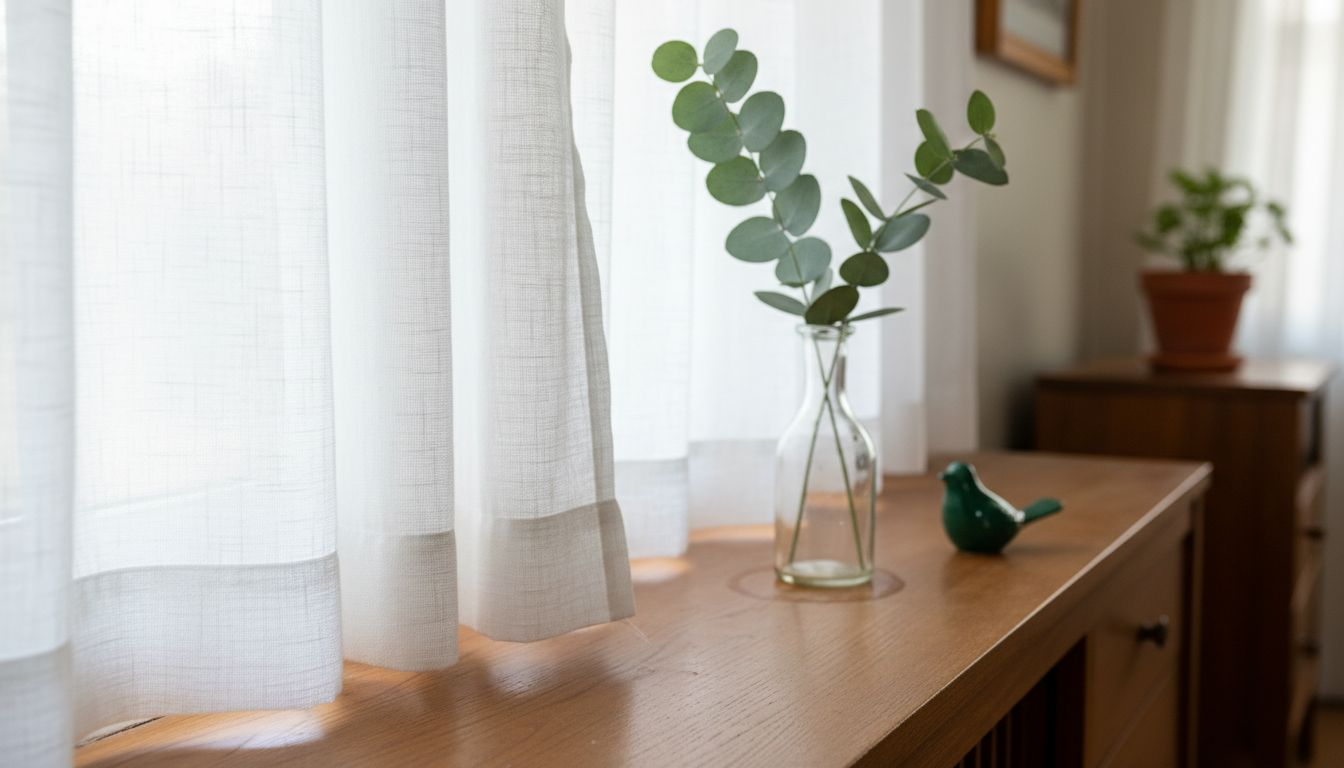
Linen delivers sophisticated texture and natural elegance preferred in coastal, Scandinavian, and organic design schemes. Natural fabrics like cotton and linen offer superior breathability and aesthetic appeal but may require more maintenance. Linen’s relaxed drape and subtle irregularities create visual interest, though it creases easily and typically needs lining for adequate light blocking and longevity.
Velvet provides heavyweight luxury with exceptional light blocking and sound insulation properties. This plush fabric elevates formal living rooms, master bedrooms, and home theaters where darkness and acoustic dampening matter. Velvet’s rich texture and depth suit traditional, maximalist, and Hollywood Regency styles, though it demands professional cleaning and shows dust more readily than smoother materials.
Polyester blends dominate budget-conscious and high-traffic applications due to unmatched durability and wrinkle resistance. Synthetic fibers maintain color vibrancy through years of sun exposure while resisting shrinkage and mildew. Polyester’s practical advantages outweigh its less breathable nature for busy families prioritizing low maintenance over natural fiber aesthetics.
Silk and voile serve specialized roles in layered window treatments and formal settings. Silk’s luminous sheen creates elegant focal points in dining rooms and master suites, but its delicate nature limits everyday practicality. Sheer voile filters harsh sunlight beautifully while maintaining outdoor views, functioning best when paired with heavier backing fabrics for privacy and insulation.
Linen provides sophisticated, breathable texture preferred in sustainable and coastal designs but needs lining for durability. Hemp and organic cotton offer similar natural appeal with enhanced sustainability credentials. Each fabric’s performance characteristics determine its ideal application, making it essential to match material properties with room requirements.
Pro Tip: Cotton-polyester blends combine natural fiber aesthetics with synthetic durability, offering a practical middle ground. Look for 60/40 or 70/30 cotton-poly ratios that drape beautifully while resisting wrinkles and fading better than pure cotton.
Fabric characteristics at a glance:
- Cotton: Breathable, versatile, affordable, easy care, moderate light blocking
- Linen: Natural texture, elegant drape, breathable, requires lining, creases easily
- Velvet: Heavy, luxurious, excellent light and sound blocking, higher maintenance
- Polyester: Durable, wrinkle-resistant, budget-friendly, less breathable, fade-resistant
- Silk/voile: Elegant sheen, delicate, best for layering or formal applications
Exploring curtain fabric types list for homeowners reveals additional specialized options like jacquard, damask, and embroidered materials that add pattern dimension without print fading concerns.
Comparing curtain fabrics: durability, maintenance, and cost
Direct performance comparison helps you evaluate trade-offs between competing fabric options. Polyester blends generally outperform cotton and silk in durability and fade resistance and washability, making them practical choices for sunny windows and active households. Natural fibers offer superior breathability and organic aesthetics but demand more careful handling.
| Fabric | Durability | Maintenance | Approximate Cost | Lifespan |
|---|---|---|---|---|
| Cotton | Moderate | Machine wash | $8-20/yard | 5-8 years |
| Linen | Moderate | Dry clean or gentle wash | $15-35/yard | 8-12 years |
| Velvet | High | Professional clean | $25-60/yard | 10-15 years |
| Polyester | Very high | Machine wash | $6-15/yard | 8-12 years |
| Silk | Low to moderate | Dry clean only | $30-80/yard | 5-10 years |
Maintenance frequency directly impacts fabric longevity and appearance retention. Machine-washable polyesters and cotton blends tolerate regular laundering without professional intervention, reducing lifetime ownership costs. Dry-clean-only fabrics like silk and velvet require periodic professional care that adds $20-40 per panel to annual maintenance budgets.
Durability varies based on fiber construction, weave density, and finish treatments. Tightly woven fabrics resist tearing and snagging better than loose weaves. Solution-dyed polyester maintains color longer than piece-dyed natural fibers when exposed to intense sunlight.
Cost considerations extend beyond initial per-yard pricing. Premium fabrics requiring professional installation and cleaning may cost more long-term despite superior aesthetics. Budget options needing replacement every few years can exceed mid-range fabric investments that last a decade with proper care.
Pro Tip: Factor in lining costs when budgeting for curtain fabric. Most natural fibers need lining for adequate light control and fabric protection, adding $4-8 per yard to total material expenses. Blackout linings cost more but deliver superior performance in bedrooms and media rooms.
Performance comparison highlights:
- Polyester excels in fade resistance and washability for sunny, high-use areas
- Velvet offers unmatched light blocking and acoustic benefits despite higher maintenance
- Cotton balances affordability with natural appeal and easy home care
- Linen provides premium aesthetics but needs professional care or gentle handling
- Silk delivers luxury appearance at highest cost and lowest durability
Understanding curtain cleaning and maintenance tips helps you protect your fabric investment and extend usable life through proper care techniques.
Sustainability and emerging trends in curtain fabrics for 2026
Eco-conscious consumers are driving significant shifts in curtain fabric markets during 2026. Growth of organic linen, hemp, and recycled polyester along with natural dyeing is shaping sustainable curtain fabrics in 2026. These materials reduce environmental impact without compromising style or performance, appealing to homeowners balancing aesthetics with ecological responsibility.
Organic linen and hemp fabrics eliminate pesticide use and minimize water consumption compared to conventional cotton production. These natural fibers biodegrade at end of life, reducing landfill waste. Their texture and drape suit modern farmhouse, Scandinavian, and biophilic design trends while delivering genuine sustainability benefits.
Recycled polyester transforms plastic bottles and textile waste into high-performance curtain fabric. This innovation diverts materials from landfills while offering the durability and easy care advantages of virgin polyester. Color consistency and quality now match conventional synthetics, removing previous barriers to adoption.
Certifications guide ethical fabric sourcing. Global Recycle Standard (GRS) verifies recycled content claims and ethical production practices. OEKO-TEX certifies fabrics free from harmful chemicals, protecting both environmental health and indoor air quality. Look for these labels when prioritizing sustainability.
Natural dyeing techniques using plant-based pigments create unique, organic color palettes while avoiding synthetic chemical runoff. Though colors may be subtler than synthetic dyes, they offer distinctive, earthy tones that complement natural fiber aesthetics. Limited colorfastness requires accepting gentle fading as part of the fabric’s character.
Sustainable fabric options trending in 2026:
- Organic linen from pesticide-free flax with minimal water requirements
- Hemp fabric offering durability and rapid crop growth without chemicals
- Recycled polyester from post-consumer plastic bottles and textile waste
- GOTS-certified organic cotton ensuring ethical farming and processing
- Plant-dyed fabrics using natural pigments from roots, leaves, and bark
Exploring 2026 curtain fabric sustainability trends reveals how manufacturers are responding to consumer demand for transparent supply chains and reduced environmental footprints without sacrificing quality or design appeal.
Situational recommendations: choosing curtain fabrics for your home
Matching fabric to room function ensures optimal performance and satisfaction. Bedrooms needing complete darkness benefit most from velvet or heavy cotton with blackout lining. These combinations block early morning sun and streetlight intrusion while providing sound dampening for better sleep quality.
Living rooms gain flexibility from layered treatments pairing sheer voile with lined backing panels. This arrangement allows adjustable light control throughout the day, admitting diffused natural light when desired while maintaining privacy. Pull the heavier layer for movie viewing or enhanced insulation during temperature extremes.
Kitchens and high-traffic spaces perform best with durable, easy-care polyester blends resisting moisture, cooking odors, and frequent handling. Choose fabrics tolerating machine washing to simplify cleaning when splatter or dust accumulation becomes visible. Lighter colors show soil more readily but create brighter, more spacious feelings in compact kitchens.
Eco-conscious homeowners can select organic linen, hemp, or recycled polyester options aligned with sustainability values. These materials deliver environmental benefits without aesthetic compromise, particularly in living areas and bedrooms where natural textures enhance organic design schemes.
Climate considerations influence fabric weight and insulation priorities. Hot, sunny regions benefit from light-colored, reflective fabrics deflecting solar heat. Cold climates justify heavier materials and insulated linings reducing heat loss through windows, which account for significant energy waste in poorly dressed spaces.
Room-specific fabric recommendations:
- Bedrooms: Velvet or blackout-lined cotton for darkness and sound insulation
- Living rooms: Layered sheers with lined backing for flexible light and privacy
- Kitchens: Machine-washable polyester blends resisting moisture and odors
- Home offices: Medium-weight cotton reducing glare without complete darkness
- Bathrooms: Moisture-resistant synthetics or treated natural fibers
The custom curtain style selection process helps you coordinate fabric choices with hardware, heading styles, and length preferences for cohesive, professionally finished window treatments.
Summary and next steps: confidently selecting curtain fabrics
Successful fabric selection starts with clearly defining your priorities across light control, privacy, maintenance, aesthetics, and sustainability. Review room-specific requirements before browsing options to focus on truly suitable candidates rather than being overwhelmed by choices.
Order sample swatches to evaluate texture, drape, and color in your actual space before committing to full yardage. Fabrics appear dramatically different under home lighting compared to store displays or online images. Live with samples for several days, observing them at different times and lighting conditions.
Balance performance attributes with aesthetic goals and budget realities. Premium fabrics justify higher costs when longevity and specific properties like sound dampening or luxury appearance matter most. Budget options serve well in secondary spaces or rentals where temporary solutions suffice.
Consider professional consultation or custom services when tackling complex window configurations or coordinating multiple rooms. Expert guidance helps you avoid costly mistakes while achieving polished, cohesive results that enhance your home’s value and your daily comfort.
Action steps for confident fabric selection:
- List light, privacy, and maintenance requirements for each room
- Order 3-5 fabric samples matching your criteria and style preferences
- Test samples in actual room lighting for 3-5 days before deciding
- Calculate total project costs including lining, hardware, and installation
- Source fabrics from reputable suppliers offering quality guarantees
Understanding benefits of custom curtains reveals how professional fabrication and installation can transform good fabric choices into exceptional window treatments that fit precisely and function flawlessly for years.
Discover quality curtain fabrics and custom drapery services
Transforming curtain fabric knowledge into beautiful window treatments requires sourcing quality materials from trusted suppliers. Beautiful Windows Elgin offers curated designer fabrics including versatile cotton broadcloth fabric for curtains and durable polyester blend fabrics by the yard suitable for diverse style preferences and functional needs.
Order fabric samples to test texture and color in your space before committing to full project quantities. Expert guidance helps match fabric properties to your specific requirements while custom drapery services ensure professional results with precise measurements and quality construction. Explore designer fabrics by the yard for comprehensive selections supporting both DIY projects and custom window treatment installations throughout Columbia, SC and nationwide.
FAQ
What is the best curtain fabric for blocking sunlight?
Velvet and heavy cotton with blackout lining provide superior sunlight blocking compared to lightweight or sheer options. These materials create near-complete darkness ideal for bedrooms, nurseries, and home theaters. For adjustable light control, layer sheer voile panels with blackout-backed drapes, allowing flexibility between filtered natural light and total darkness as needed throughout the day.
How do I care for different curtain fabrics?
Polyester and cotton-poly blends typically tolerate machine washing on gentle cycles, making them low-maintenance choices for busy households. Natural fibers like silk and unlined linen often require professional dry cleaning to prevent shrinkage and maintain appearance. Regular light dusting with vacuum attachments and prompt spot cleaning extend all fabric lifespans while reducing deep cleaning frequency. Consult curtain cleaning and maintenance tips for fabric-specific care instructions.
Are sustainable curtain fabrics more expensive in 2026?
Sustainable options like organic linen and recycled polyester carry modest price premiums compared to conventional materials, but costs are decreasing as production scales increase. Long-term value often exceeds initial price differences through enhanced durability and reduced environmental impact. Growing consumer demand and manufacturing efficiency improvements are making eco-friendly fabrics increasingly cost-competitive with traditional options. Review the 2026 curtain fabric selection guide for current pricing trends and availability.
Can I mix different curtain fabrics in one room?
Mixing fabrics creates visual interest and enhances functionality when done thoughtfully. Pair sheer voile with heavier backing panels for layered light control, or use matching colors in different textures across multiple windows for cohesive variety. Ensure fabrics complement rather than compete by maintaining consistent color families or design styles. Mixing works best when one fabric serves as the dominant choice while others provide accent or functional contrast.
How much fabric do I need for curtains?
Fabric requirements depend on window width, desired fullness, and heading style. Standard gathered curtains need 2-2.5 times window width for proper draping, while tailored panels may use 1.5 times width. Add length for hems, headers, and pattern matching when working with printed fabrics. Measure carefully and add 10-15% extra to account for shrinkage, mistakes, and future repairs. Professional custom services ensure accurate measurements and appropriate fabric quantities for polished results.
Recommended
- 7 Essential Curtain Fabric Types List for Homeowners – Shop Designer Fabrics by the Yard | Curtains & Drapery
- Curtain Style Selection Process for Custom Drapery Success – Shop Designer Fabrics by the Yard | Curtains & Drapery
- How to Choose the Right Fabric for Drapery – Shop Designer Fabrics by the Yard | Curtains & Drapery
- Curtain Fabric Selection Guide 2026: Pick Styles That Last 30% Longer – Designer Fabrics by the Yard | Drapery Making Services