

Custom window treatments 2026: style meets smart function
Smart motorized shades can reduce cooling energy loads by up to 25% when programmed correctly, yet many homeowners assume all window treatments deliver identical energy savings. That misconception costs money and comfort. This guide walks you through custom window treatment types, 2026 fabric trends, smart technology integration, and practical customization techniques to help you confidently select treatments that blend style, performance, and sustainability.
Table of Contents
- Understanding Custom Window Treatments
- 2026 Design And Fabric Trends In Custom Window Treatments
- Integration Of Smart Technology In Window Treatments
- Types Of Custom Window Treatments: Features And Comparisons
- Customization For Unique Windows And Spaces
- Common Misconceptions About Custom Window Treatments
- Conclusion: Bringing It All Together For Your Home
- Explore Quality Fabrics And Custom Window Solutions
Key takeaways
| Point | Details |
|---|---|
| Custom treatments merge design and tech | Personalized solutions balance aesthetics, function, and smart automation for modern homes. |
| Natural fabrics dominate 2026 | Bamboo, linen, and hemp offer sustainability and warm textures that enhance room ambiance. |
| Motorization cuts energy costs | AI-powered shades adjust to weather patterns, reducing cooling loads significantly. |
| Layering boosts versatility | Combining treatments improves light control, insulation, and design depth. |
| Professional installation matters | Proper hardware setup prevents motorized system failures and ensures smooth operation. |
Understanding custom window treatments
Custom window treatments are made-to-order solutions tailored to your exact window dimensions, design preferences, and functional requirements. Unlike ready-made options that force compromise, custom treatments deliver precise fit and personalized style integration.
Common types include drapes, shades, blinds, valances, and cornices. Each serves distinct purposes:
- Drapes offer luxurious fabric displays and excellent insulation
- Shades provide streamlined profiles with varied opacity levels
- Blinds deliver precise light angle control through adjustable slats
- Valances and cornices add decorative accents while concealing hardware
Customization allows you to select premium fabrics, adjust fullness ratios, choose lining options, and integrate hardware that complements your interior architecture. This flexibility ensures treatments enhance both visual appeal and practical performance, whether you need blackout capabilities for bedrooms or sheer elegance for living spaces.
Homeowners and designers benefit from treatments that address unique window shapes, ceiling heights, and lighting challenges. Custom solutions also accommodate motorization, smart home integration, and specialty features like cordless operation for child safety.
2026 design and fabric trends in custom window treatments
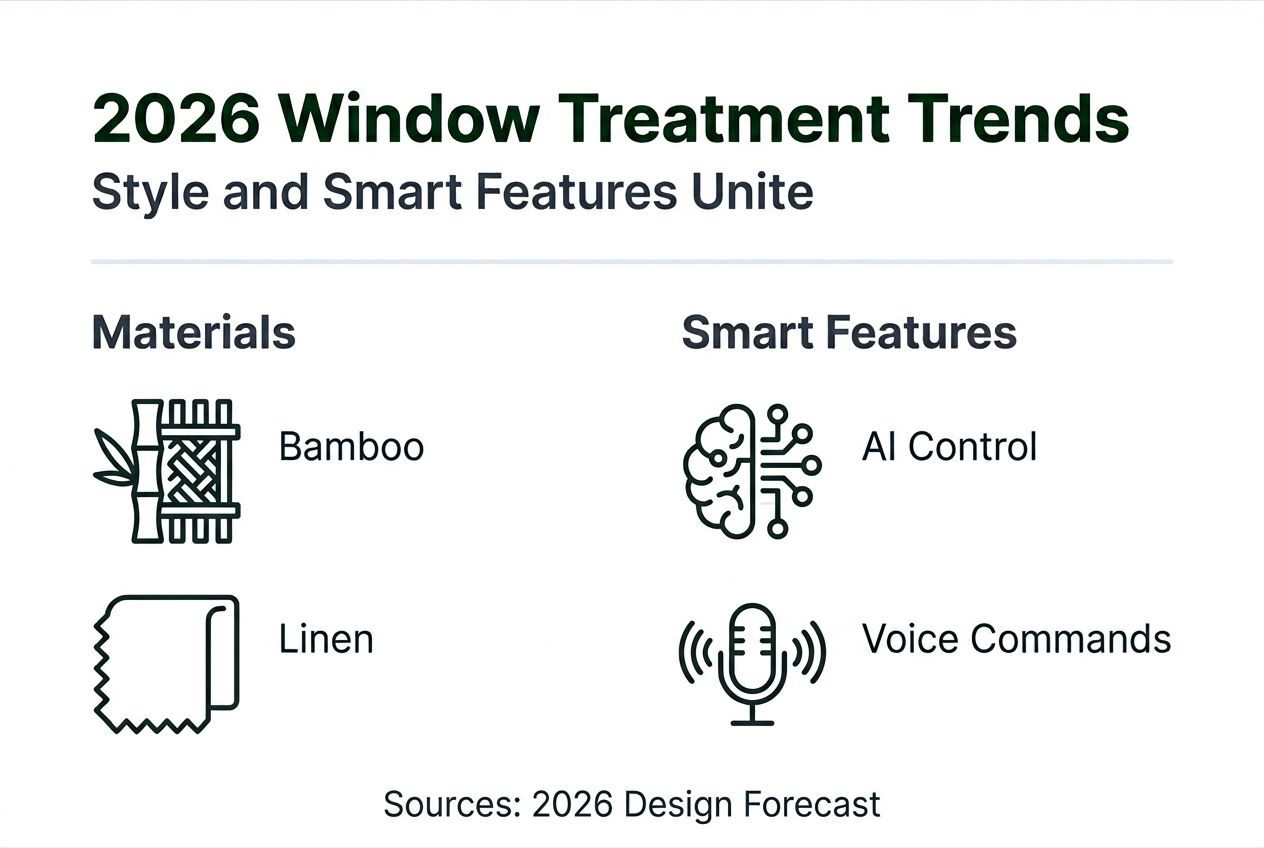
Natural and sustainable materials like bamboo, hemp, linen, and woven wood dominate 2026 window treatment choices. These fabrics deliver environmental benefits while creating warm, organic textures that soften modern interiors.
Earth tones and warm neutrals lead color palettes this year. Terracotta, sage, ochre, and sand shades create timeless backdrops that pair well with diverse decor styles. These hues provide visual calm while maintaining design flexibility as trends evolve.
Decorative details are making a strong comeback. Trims, tassels, valances, and cornices add personality and craftsmanship to window treatments. These accents transform simple panels into statement pieces that anchor room design.
Texture layering has become essential in 2026 interiors. Combining sheer panels with heavier drapes, or pairing woven shades with soft fabric valances, creates dimensional interest. This approach balances light control with aesthetic depth.
Key fabric trends include:
- Linen blends offering durability with natural drape
- Textured weaves adding visual interest without pattern overload
- Hemp fabrics providing strength and sustainability
- Bamboo materials delivering lightweight structure with eco credentials
Sustainability functions as both environmental responsibility and design choice. Consumers increasingly value materials that reduce ecological impact while delivering lasting beauty. This shift influences fabric sourcing, production methods, and treatment longevity expectations. Explore more about fall window treatment trends 2025 to see how seasonal aesthetics transition into 2026 design principles.
Integration of smart technology in window treatments
Motorized window treatments with AI and voice control revolutionize home comfort by automating shade adjustments based on sunlight intensity and temperature fluctuations. These systems integrate seamlessly with popular platforms like Amazon Alexa, Google Home, and Apple HomeKit.
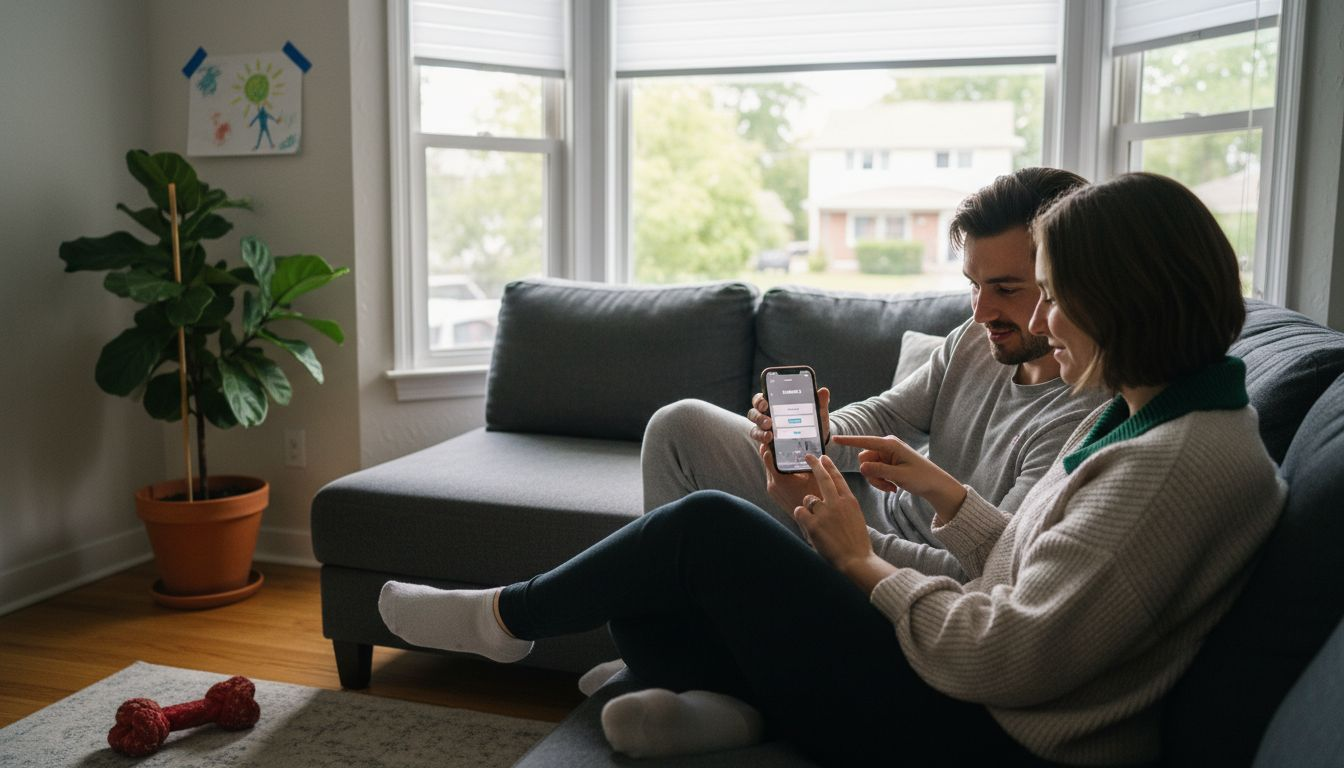
Smart motorization delivers hands-free operation through voice commands, smartphone apps, or programmed schedules. You can adjust treatments from anywhere, set sunrise and sunset automation, or create scenes that coordinate with other smart home devices.
Energy efficiency represents the most compelling benefit. Automated shading reduces solar heat gain during peak afternoon hours, cutting cooling costs substantially. Systems learn your preferences and local weather patterns, optimizing adjustments without constant user input. This intelligent response to environmental conditions separates smart treatments from basic motorized options. Understanding energy cost savings window treatments provides deeper insight into how automation maximizes efficiency.
Installation requires careful planning:
- Verify power source availability near each window
- Assess existing window hardware strength and compatibility
- Ensure WiFi signal reaches all motorized treatment locations
- Plan for battery backup if using hardwired systems
Pro Tip: Always inspect and upgrade window hardware before motorized installation. Weak brackets or worn mounting surfaces cause system failures that compromise both function and investment protection.
Smart motorization transforms window treatments from static decor into responsive environmental controls that actively manage indoor comfort and energy consumption throughout the day.
Types of custom window treatments: features and comparisons
Selecting the right treatment type requires understanding how each option balances aesthetics, function, and cost. Roman shades require approximately 25% less fabric compared to traditional drapery, making them cost-effective for introducing luxurious textiles into smaller spaces.
Drapes offer maximum fabric display and design flexibility. They work beautifully with patterned or textured materials, create dramatic floor-to-ceiling statements, and provide excellent insulation when lined. However, they require more maintenance and occupy significant visual space.
Shades deliver clean, streamlined profiles ideal for contemporary interiors. Options range from sheer roller shades for soft light diffusion to cellular honeycomb designs that trap air for superior insulation. Their compact form works well in tight spaces or layered beneath drapes.
Blinds provide precise light angle control through adjustable slats. Wood and faux wood options add warmth, while aluminum blinds suit modern aesthetics. They’re durable and easy to clean but offer limited softness compared to fabric treatments.
Cellular shades excel at energy efficiency through their honeycomb structure that creates insulating air pockets. They’re particularly effective in extreme climates where temperature control matters most.
Decorative elements like valances, cornices, and trim details enhance any treatment type. These additions conceal hardware, add architectural interest, and provide opportunities for color or pattern introduction without overwhelming the space. Recognizing the importance of custom window treatments helps frame these choices within broader design goals.
| Treatment Type | Best For | Fabric Use | Energy Efficiency | Maintenance |
|---|---|---|---|---|
| Drapes | Large windows, formal spaces | High | Good with lining | Dry cleaning |
| Roman Shades | Moderate windows, layering | Moderate | Good | Spot cleaning |
| Cellular Shades | Energy savings, privacy | Low | Excellent | Dusting |
| Roller Shades | Modern spaces, moisture areas | Low | Fair to good | Wiping |
| Blinds | Precise light control | None | Fair | Dusting |
Customization for unique windows and spaces
Specialty window shapes demand precise measurement and creative solutions. Ceiling-mounted, floor-to-ceiling curtains create dramatic visual impact while concealing architectural flaws and providing cozy room cocoon effects.
Start by measuring width, height, and depth at multiple points. Arched, triangular, or circular windows require templates for accurate fabric cutting. Note any obstructions like handles, locks, or trim that affect mounting locations.
Fabric selection depends on room function and desired light control:
- Heavyweight linens or velvets for bedrooms needing blackout capabilities
- Sheer or semi-sheer materials for living spaces balancing privacy and natural light
- Moisture-resistant fabrics for bathrooms and kitchens
- UV-resistant textiles for sun-exposed windows protecting furnishings
Ceiling mounting creates the illusion of taller windows and grander proportions. This technique works especially well in rooms with low ceilings or when you want to draw eyes upward. Extending treatments to the floor adds elegance and improves insulation by minimizing air gaps.
Hardware selection impacts both aesthetics and function. Decorative rods make design statements in visible locations, while recessed tracks disappear for minimalist looks. Ensure brackets support the weight of fully dressed treatments, especially when using heavy fabrics or motorization.
Pro Tip: Consult professional installers for motorized systems and architectural challenges like bay windows or cathedral ceilings. Their expertise prevents costly mistakes and ensures treatments operate smoothly for years.
Common misconceptions about custom window treatments
Many assume all window treatments deliver identical energy savings, but performance varies dramatically by type and installation quality. Cellular shades and properly programmed motorized treatments substantially outperform basic curtains in thermal regulation.
Motorized systems don’t automatically succeed. Hardware quality and professional installation determine reliability. Weak mounting surfaces or incompatible brackets cause premature failures that undermine the technology investment. Proper preparation prevents these issues.
Roman shades often get dismissed as expensive, yet they actually use less fabric than full drapery panels. This efficiency makes them economical choices for showcasing premium textiles without budget strain. Their tailored appearance delivers high-end aesthetics at moderate costs.
Layering treatments serves functional purposes beyond decoration:
- Combines blackout capabilities with decorative sheers for flexible light control
- Improves insulation by creating air pockets between layers
- Protects delicate fabrics from direct sun exposure
- Enables seasonal adjustments without complete treatment replacement
Understanding these realities helps you make informed decisions that balance initial investment with long-term performance. Recognizing custom window treatments importance and window treatment energy savings clarifies how quality choices deliver measurable returns through reduced energy costs and extended product lifespan.
Conclusion: bringing it all together for your home
Custom window treatments in 2026 succeed when they integrate three essential elements: compelling design aesthetics, functional performance, and smart technology. This framework guides decisions from fabric selection through installation.
Natural materials like bamboo and linen deliver sustainability without sacrificing style. Motorized systems provide convenience while cutting energy costs through intelligent automation. Proper customization ensures treatments fit your unique windows and lifestyle requirements.
Current trends advance window treatments beyond simple decoration into responsive environmental controls that actively improve home comfort. Earth tones, texture layering, and decorative details create timeless appeal that adapts as your needs evolve.
Apply this knowledge confidently. Whether you’re a homeowner seeking energy efficiency or a designer creating cohesive interiors, understanding how treatment types, fabrics, and technology work together empowers better choices that enhance both beauty and function.
Explore quality fabrics and custom window solutions
Ready to transform your windows with treatments that balance style and performance? Beautiful Windows Elgin offers curated collections of premium fabrics perfect for custom applications. From sustainable natural fibers to specialized materials like silver waterproof canvas fabric for outdoor furniture, you’ll find textiles that meet exacting standards.
Explore designer fabrics by the yard featuring exclusive patterns, textures, and colors that bring your vision to life. Access expert guidance for fabric selection, measurement assistance, and customization options tailored to your unique project requirements. Whether updating a single room or outfitting an entire home, quality materials form the foundation of treatments that deliver lasting satisfaction.
FAQ
What types of fabrics are best for sustainable custom window treatments?
Natural fabrics like bamboo, linen, hemp, and woven wood dominate sustainable choices for their environmental and aesthetic benefits. These materials create warm textures that enhance room ambiance while reducing ecological impact through renewable sourcing and biodegradable properties.
How can smart window treatments reduce home energy costs?
Smart motorized treatments reduce cooling loads by automatically adjusting to sunlight and temperature changes throughout the day. Integration with AI and voice control simplifies energy management by learning your preferences and local weather patterns, optimizing shade positions without constant manual adjustments.
What should I consider when customizing treatments for uniquely shaped windows?
Accurate measurements tailored to each window’s specific shape are critical for proper fit and function. Ceiling-mounted, floor-to-ceiling curtains enhance visual impact and integrate well with unique architectural details like arches or angles. Layering options provide coverage flexibility for specialty configurations.
Do Roman shades really save money compared to drapes?
Yes, Roman shades use approximately 25% less fabric than traditional drapery, making them cost-effective for luxurious textiles. They deliver tailored aesthetics at moderate price points while providing excellent light control and insulation when lined properly.
Why does professional installation matter for motorized window treatments?
Motorized systems require robust mounting hardware and proper power integration that DIY installation often misses. Professional installers ensure weight distribution, electrical connections, and smart home integration work correctly, preventing failures that compromise both function and your technology investment.
Recommended
- Fall Window Treatment Trends 2025: Warmth, Texture Tailored Elegance – Shop Designer Fabrics by the Yard | Curtains & Drapery
- Fall Window Treatment Trends 2025: Warmth, Texture Tailored Elegance – Shop Designer Fabrics by the Yard | Curtains & Drapery
- Fall Window Treatment Trends 2025: Warmth, Texture Tailored Elegance – Shop Designer Fabrics by the Yard | Curtains & Drapery
- Fall Window Treatment Trends 2025: Warmth, Texture Tailored Elegance – Shop Designer Fabrics by the Yard | Curtains & Drapery