


Why Use Utility Fabric for Home Décor and Projects
TL;DR:
- Utility fabric is designed primarily for durability, practicality, and ease of maintenance, outperforming decorative textiles in high-traffic or outdoor applications. It includes materials like canvas, muslin, and performance blends, focusing on function first with aesthetics as a secondary goal. Selecting the right utility fabric involves assessing performance needs, fabric weight, fiber content, and finish to ensure long-lasting, low-maintenance results for home décor and workwear projects.
Utility fabric is defined as a category of textiles engineered primarily for durability, practicality, and ease of maintenance rather than decorative appeal. When a project demands materials that hold up under real-world conditions, whether that means a high-traffic upholstered chair, a utility room skirt, or outdoor curtain panels, this class of fabric consistently outperforms decorative alternatives. Common examples include canvas, muslin, performance-treated polyester blends, and outdoor-grade wovens. Understanding why use utility fabric comes down to one core principle: function first, with aesthetics as a secondary but still achievable goal.
Why use utility fabric instead of decorative fabric?
Utility fabrics prioritize essential functional elements and avoid unnecessary embellishments, focusing instead on movement, comfort, and structural integrity. Decorative fabrics, by contrast, are engineered to look beautiful under controlled conditions. Silk, embroidered jacquard, and delicate voile are designed for visual impact, not repeated washing or daily friction.
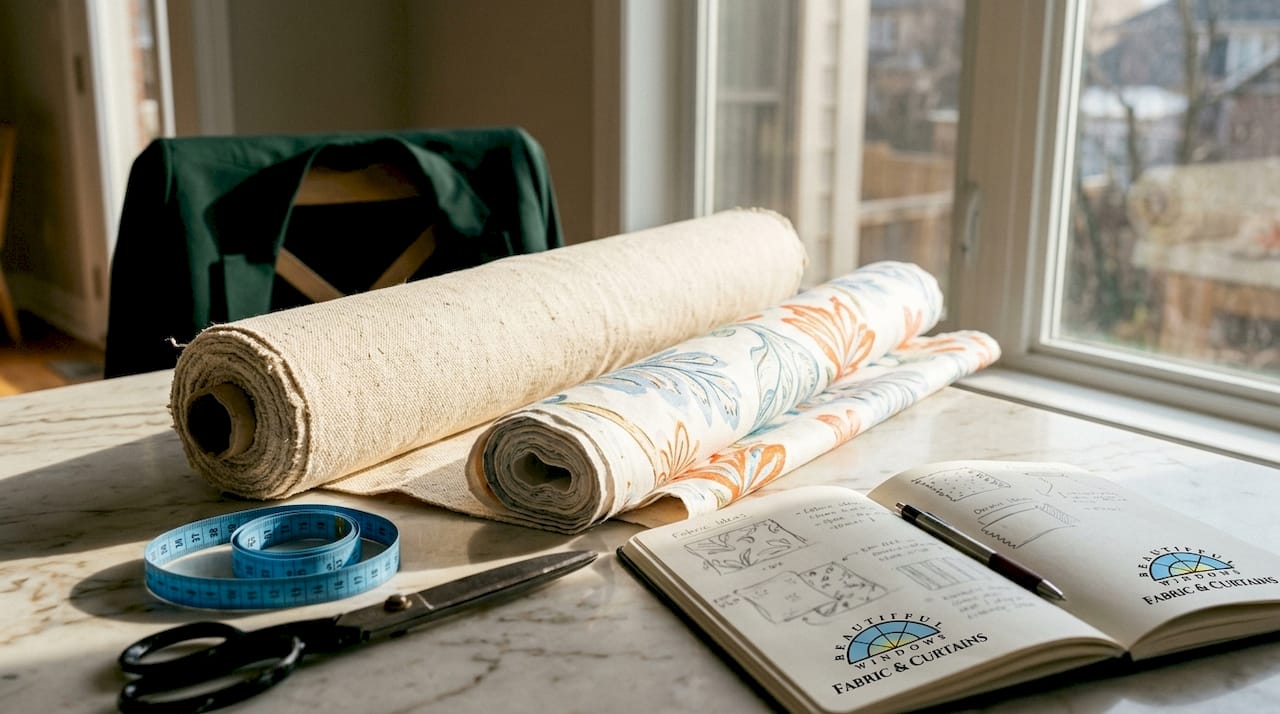
The construction differences are significant. Utility fabrics are typically woven with tighter thread counts, heavier fiber weights, and finishes that resist staining, moisture, and abrasion. Decorative fabrics often use looser weaves, surface embellishments, or delicate fibers that degrade quickly under stress.
Utility stitches strengthen garments by focusing on function rather than decoration, using straight seams and zigzag patterns to hold fabric under stress. This distinction matters when you are constructing anything that will experience repeated tension, such as upholstery seams or workwear pockets. Decorative stitches sacrifice seam strength for visual pattern, which is appropriate for a display pillow but not for a chair seat that gets used daily.
Pro Tip: When comparing fabrics at a retailer, fold a small section and rub it between your fingers. Utility-grade fabrics resist pilling and distortion; decorative fabrics often show stress immediately.
| Feature | Utility fabric | Decorative fabric |
|---|---|---|
| Primary purpose | Durability and function | Visual appeal |
| Typical fiber content | Canvas, polyester blends, treated cotton | Silk, voile, embroidered jacquard |
| Stain resistance | High, often treated | Low to moderate |
| Ease of cleaning | Machine washable in many cases | Often dry-clean only |
| Best applications | Upholstery, outdoor use, workwear | Drapery accents, decorative pillows |
Common utility fabric types include muslin, cotton canvas, outdoor-grade acrylic, and performance polyester blends. Each serves a distinct function, but all share the defining characteristic of prioritizing longevity over ornamentation.
What are the benefits of utility fabric for home décor?
Performance fabrics are recommended for utility rooms, especially in homes with children or pets, because of their ease of cleaning and resistance to staining. This single advantage changes how you approach fabric selection for any functional space in your home.
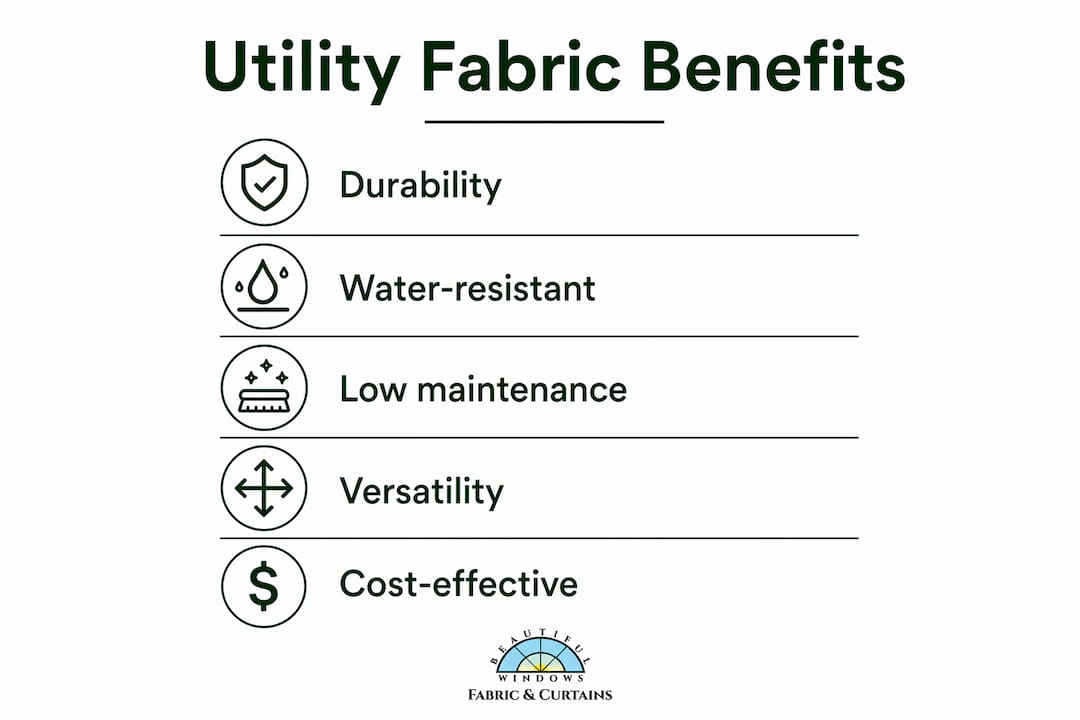
The benefits extend well beyond stain resistance. Utility fabrics used in home décor deliver measurable advantages across several dimensions:
- Durability in high-traffic areas. Upholstery-grade utility fabrics withstand thousands of abrasion cycles without significant surface degradation, making them the correct choice for sofas, dining chairs, and window seats.
- Low maintenance requirements. Many performance fabrics are machine washable or wipeable, which reduces the time and cost of upkeep compared to dry-clean-only decorative textiles.
- Versatility across applications. The same outdoor-grade canvas that works for patio cushions can be used for utility room curtains, storage bins, or floor-level skirts around appliances.
- Extended project lifespan. Using utility fabrics extends the life of home projects, reduces cleaning effort, and offers versatile styling options without sacrificing the finished look.
- Cost efficiency over time. A utility fabric that lasts five years costs less per year of use than a decorative fabric replaced annually due to wear.
Pro Tip: For utility room applications, select a fabric with a tight weave and a water-resistant finish. This combination handles splashes, detergent drips, and humidity without warping or staining.
Modern performance textiles have also closed the aesthetic gap considerably. Treated outdoor fabrics from manufacturers like Sunbrella now come in refined woven patterns, neutral tones, and textured finishes that read as sophisticated rather than industrial. You no longer have to choose between a fabric that looks good and one that performs well.
How do you choose the right utility fabric for your project?
Choosing utility fabric requires considering fabric weight measured in GSM, fiber type, surface finish, and the specific demands of the intended project. Experienced DIYers select fabrics first for cleanability and durability, then design the mounting or construction method accordingly. That sequence matters. Choosing a fabric for its color first and hoping it performs is how projects fail prematurely.
Follow this selection process for any utility fabric project:
- Define the performance requirements. Will the fabric face moisture, direct sunlight, heavy abrasion, or frequent washing? List the conditions before browsing options.
- Determine the appropriate fabric weight. Lightweight utility fabrics in the 150 to 250 GSM range suit curtains and light upholstery. Medium weights from 250 to 400 GSM work for furniture upholstery and utility room applications. Heavy weights above 400 GSM are appropriate for outdoor furniture and floor-level projects.
- Evaluate fiber content. Cotton canvas offers breathability and structure. Polyester blends provide superior moisture and UV resistance. Cotton-acrylic blends balance softness with durability, making them a practical choice for drapery and upholstery that needs to look refined while holding up to use. You can explore upholstered fabric selection in detail to match fiber content to room conditions.
- Check the surface finish. Stain-resistant coatings, water-repellent treatments, and UV-stabilized finishes each address different performance needs. Confirm whether the finish is factory-applied or requires reapplication after washing.
- Assess maintenance compatibility. A fabric that performs well but requires professional cleaning defeats the purpose of choosing a utility textile. Confirm care instructions before purchasing.
| Fabric type | Typical GSM range | Best application | Key performance attribute |
|---|---|---|---|
| Cotton canvas | 300 to 500 | Bags, outdoor curtains, upholstery | Strength and breathability |
| Performance polyester | 200 to 400 | Outdoor furniture, utility rooms | UV and moisture resistance |
| Cotton-acrylic blend | 250 to 400 | Drapery, upholstery | Durability with refined finish |
| Muslin | 100 to 200 | Lining, prototyping, light curtains | Affordability and versatility |
| Outdoor acrylic (e.g., Sunbrella) | 300 to 450 | Patio cushions, awnings | Fade and mildew resistance |
Understanding fabric durability ratings before purchasing prevents the common mistake of selecting a fabric that looks appropriate but fails within a season of use.
What are the best projects for utility fabric?
Utility fabric uses span a wider range than most homeowners and DIY professionals initially consider. The material’s defining characteristics make it suitable for any project where longevity, cleanability, or structural performance is a priority.
Home décor applications represent the largest category:
- Utility room fabric skirts. A fabric panel fitted around a washing machine or under a utility sink conceals plumbing and storage while adding visual order to a working space. Modern utility fabrics treated to resist stains and moisture are ideal for this application because they can be removed and laundered without losing their shape.
- Upholstery for high-use furniture. Dining chairs, window seats, and ottomans in family rooms benefit from performance-grade upholstery fabric that resists spills and abrasion. Pairing a utility-grade base fabric with a refined surface finish produces furniture that functions well without looking utilitarian.
- Functional curtains and drapery panels. Utility fabrics for curtains in kitchens, bathrooms, and utility rooms need to handle humidity, grease, and frequent washing. Reviewing a curtain fabric types list helps identify which performance fabrics translate well to window treatments.
- Outdoor furniture covers and cushions. UV-stabilized outdoor fabrics protect patio furniture through seasons of sun and rain exposure without fading or developing mildew.
Beyond home décor, utility fabric is the foundation of workwear and protective clothing. Utility fashion embraces simplicity and function with design principles rooted in workwear, favoring ergonomic comfort and practical details like reinforced pockets and stress-point stitching. DIY sewists use canvas and heavy cotton blends to construct tote bags, tool rolls, and aprons where structural integrity matters more than surface decoration. Outdoor gear such as ground cloths, equipment bags, and protective covers also relies on utility-grade textiles for the same reasons.
The soft touch of fabric in spaces dominated by hard surfaces, such as kitchens and utility rooms, also serves a functional acoustic and visual purpose. Fabric panels absorb sound and break up the visual hardness of tile and cabinetry, making the space more comfortable without compromising the practical requirements of the room.
Key takeaways
Utility fabric delivers superior performance in any project where durability, stain resistance, and low maintenance are required, making it the correct choice over decorative textiles for functional home and professional applications.
| Point | Details |
|---|---|
| Function defines the category | Utility fabric is engineered for durability and performance, not decoration. |
| Performance gap is closing | Modern treated fabrics combine utility-grade durability with refined aesthetic finishes. |
| Weight and fiber content matter | Match GSM range and fiber type to the specific demands of each project. |
| Home décor is the primary use case | Upholstery, utility room skirts, and functional curtains benefit most from utility fabrics. |
| Stitch type must match fabric | Utility stitches with correct thread and tension settings are required for durable construction. |
Utility fabric as a design philosophy, not just a material choice
I have worked with fabric long enough to know that most project failures trace back to the same mistake: choosing a material for how it looks in the store rather than how it will perform in the space. A beautiful embroidered linen looks stunning on the bolt. Six months on a kitchen chair, it looks exhausted.
What I find genuinely useful about utility fabric is that it reframes the selection process. When you start with performance requirements, the aesthetic choices that follow are more constrained but also more honest. You are not hoping the fabric holds up. You know it will, because utility stitches and fabric construction are designed to work together as a system, not as separate decisions.
My personal preference for home projects leans toward cotton-acrylic blends and outdoor-grade wovens. They photograph well, clean easily, and do not require the kind of careful handling that makes a room feel like a museum. For anyone starting with utility fabric projects, I would suggest beginning with a utility room application or a simple upholstered bench. The feedback is immediate and honest. If the fabric handles the space well after three months of real use, you have found a material worth scaling across your home.
The broader point is this: function and beauty are not opposites in fabric selection. They are a sequence. Get the function right first, and the aesthetics follow naturally.
— Marrion
Explore quality utility and drapery fabrics at Beautifulwindowselgin
Beautifulwindowselgin carries a curated selection of durable, high-quality fabrics suited to both functional and decorative home projects. The collection includes performance-grade textiles for upholstery and utility applications alongside designer drapery fabrics at 389 GSM, engineered for lasting use in custom window treatments. For projects requiring both durability and refined finish, the cotton-acrylic blend fabrics offer a practical solution that does not compromise on appearance. Beautifulwindowselgin also provides design consultations and custom drapery services with nationwide shipping, supporting homeowners and interior professionals at every stage of the selection process.
FAQ
What is utility fabric?
Utility fabric is a textile category designed for durability, practicality, and ease of maintenance rather than decorative appeal. Common examples include canvas, muslin, performance polyester blends, and outdoor-grade acrylic fabrics.
Is utility fabric durable enough for upholstery?
Yes. Upholstery-grade utility fabrics are specifically constructed to withstand repeated abrasion, spills, and heavy use, making them more suitable for high-traffic furniture than decorative textiles.
How do I choose the right utility fabric for my project?
Start by defining the performance requirements of the project, then match fabric weight in GSM, fiber content, and surface finish to those conditions. Prioritize cleanability and durability before considering color or pattern.
Can utility fabric be used for curtains and drapery?
Utility fabrics work well for curtains in kitchens, bathrooms, and utility rooms where humidity, grease, or frequent washing is a factor. Performance-treated wovens and cotton-acrylic blends are the most practical choices for these applications.
What is the difference between utility stitches and decorative stitches in sewing?
Utility stitches use shorter lengths and tighter tensions to maximize seam strength, while decorative stitches prioritize visual pattern over structural integrity. Matching the stitch type to the fabric weight and project demands is required for durable results.
Recommended
- Role of Fabric in Window Treatments– Impact on Style & Function – Shop Designer Fabrics by the Yard | Curtains & Drapery
- The Role of Fabric Durability in Interior Design Choices – Fabric Store in Columbia, SC | Drapery Making Services
- Decorative fabric options: a guide for homeowners – Fabric Store in Columbia, SC | Drapery Making Services
- 7 Essential Curtain Fabric Types List for Homeowners – Shop Designer Fabrics by the Yard | Curtains & Drapery