

Expert window treatment tips: Stylish solutions for 2026
TL;DR:
- In 2026, layered window treatments combining shades, sheers, and drapery are the dominant trend for functional versatility and aesthetic depth. Selecting treatments based on clear priorities like light control, privacy, style, and energy efficiency results in more satisfying long-term choices. Emphasizing quality materials, sustainable options, and personal layering over fleeting trends creates timeless, adaptable home interiors.
Choosing the right window treatments for your home has never felt more complex. In 2026, the options span everything from sleek, minimal roller shades to richly layered drapery adorned with fringe and tassels, and the pressure to balance style, privacy, energy efficiency, and lasting value is real. The good news is that the most effective decisions start with a clear set of criteria rather than trend-chasing alone. This article walks you through expert-vetted guidance, from setting your priorities to selecting materials and styling methods that will serve your home beautifully for years ahead.
Table of Contents
- Set your criteria: What matters for your windows?
- Layered treatments: The biggest 2026 trend
- Classic and ornate looks: Tassels, fringe, and drapery returns
- Eco-conscious materials and energy savings
- How to choose: Matching trends to your space
- Why “layer-and-personalize” beats following every trend
- Take the next step with premium fabrics and expert styling
- Frequently asked questions
Key Takeaways
| Point | Details |
|---|---|
| Layering is key | Mix drapery, shades, and sheers for style, privacy, and versatile control. |
| Go eco-friendly | Choose natural materials like organic cotton and honeycomb shades for insulation and sustainability. |
| Embrace ornate | Tassels, fringe, and statement drapery are back, balancing modern and classic styles. |
| Personalize for your space | Select treatments according to your room’s needs, not just trends. |
| Invest in premium fabrics | High-quality materials boost both design impact and long-term value. |
Set your criteria: What matters for your windows?
Before exploring trending options, start by pinpointing your needs and priorities. Window treatments are one of the most functionally demanding elements in any room. They control light, protect privacy, manage temperature, and set the visual tone of a space, all at once.
When assessing your windows, consider the following factors:
- Light control: Do you need full blackout capability for a bedroom, or soft filtering for a living area? The amount and direction of natural light in your room will shape your choice significantly.
- Privacy level: Street-facing windows demand different treatments than those overlooking a private garden. Layer options allow you to adjust privacy levels throughout the day without sacrificing light.
- Thermal insulation: In colder climates especially, window treatments can help reduce heat loss. Heavier drapes lined with interlining fabric or honeycomb shades offer measurable energy benefits.
- Style direction: Are you drawn to clean, minimal interiors, or do you prefer layered, textural, more traditional spaces? Knowing this upfront prevents costly mistakes.
- Room function: A home office needs glare reduction without total darkness. A bedroom prioritizes blackout and privacy. An open-plan living area benefits from flexible layering that can shift through the day.
Understanding how these factors interact is where real design clarity begins. 2026 window treatment trends show that homeowners who define their criteria first are more satisfied with long-term results than those who select based on appearance alone.
Layered window treatments are a dominant trend in 2026, combining shades, drapery, and sheers for enhanced light control, privacy, and depth. This approach works precisely because it aligns with multiple criteria simultaneously, making it the logical next step to explore.
Pro Tip: Write down your top three priorities for each room before visiting any showroom or browsing fabric samples. Having clear, ranked criteria on paper makes side-by-side comparisons much easier and keeps decision fatigue at bay.
Layered treatments: The biggest 2026 trend
With your window criteria in mind, now explore the most popular trend dominating 2026. Layering window treatments means combining two or more distinct elements, typically a shade, a sheer panel, and a drapery panel, to create a flexible, visually rich result. It is not simply about adding more fabric. It is about building a system where each element plays a specific functional role.
Here is a practical step-by-step approach to building a layered treatment:
- Start with a functional shade. A roller shade, Roman shade, or cellular shade forms the base layer. It handles most of your light control and privacy needs independently.
- Add a sheer panel. Mounted on a secondary rod closer to the wall or ceiling, sheer fabric softens incoming light and adds visual depth without blocking the view during daylight hours.
- Hang a drapery panel as the outer layer. Floor-length drapery, ideally in a fabric with some weight such as a jacquard, linen blend, or lined cotton, frames the window and provides the style statement. It can be drawn closed at night for maximum privacy and insulation.
- Consider ceiling-height mounting. Installing rods close to the ceiling elongates the visual height of any room, regardless of actual window size.
- Coordinate without matching exactly. A successful layered look uses complementary textures and tones rather than identical fabrics throughout.
The performance benefits are significant. Mechanics favor outside-mounted Roman shades and layered systems for better light blocking and flexibility over single treatments because each layer can be adjusted independently, giving you fine-tuned control that a single shade or curtain simply cannot provide.
Here is how single and layered treatments compare across key performance areas:
| Feature | Single treatment | Layered treatment |
|---|---|---|
| Light control | Limited (fixed setting) | High (adjustable per layer) |
| Privacy | Moderate | Excellent |
| Thermal insulation | Low to moderate | Moderate to high |
| Visual depth | Minimal | Rich and dimensional |
| Flexibility | Low | High |
| Investment required | Lower | Moderate to higher |
Layered stylish window treatments are especially well-suited to living rooms and primary bedrooms, where both aesthetics and function are equally important.
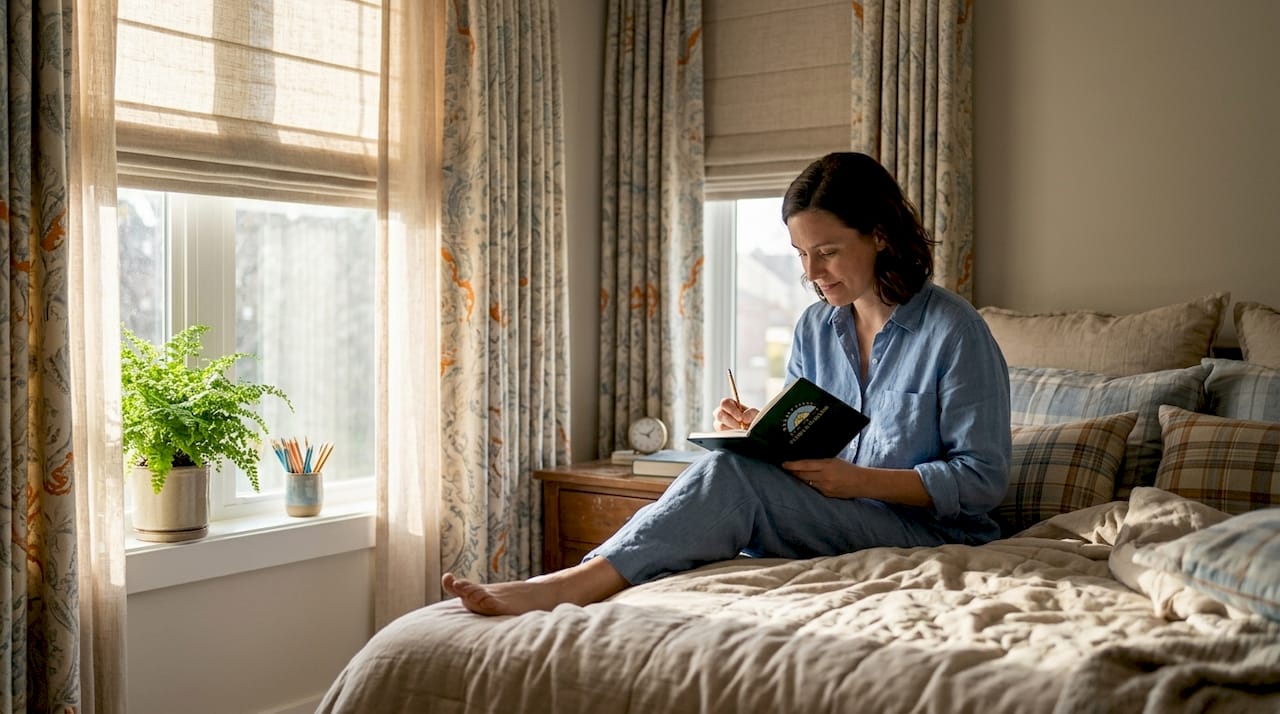
Pro Tip: Use outside-mounted Roman shades, meaning shades mounted to the wall above and outside the window frame, rather than inside the recess. This approach covers the full window opening and prevents light from leaking around the edges, which is a common complaint with inside-mounted shades.
Classic and ornate looks: Tassels, fringe, and drapery returns
Alongside layering, designers are embracing classic embellishments. Here is how to work these into your 2026 home thoughtfully and effectively.
Traditional designs with tassels, fringe, and statement drapery are returning, contrasting minimalist trends that dominated the previous several years. This revival is not about recreating heavy, Victorian-style interiors. It is about introducing considered, quality details that add character to otherwise clean spaces.
Ornate window treatment details to consider for 2026 include:
- Tassel tiebacks: A single tassel tieback in a contrasting color or metallic finish can elevate a simple linen panel into something more intentional.
- Fringe trim: Brush fringe or bullion fringe along the leading edge of drapery panels adds texture and movement without overpowering the fabric.
- Statement-weight fabric: High-pile velvet, heavyweight jacquard, or embroidered panels read as ornate through material alone, even without additional embellishments.
- Contrast borders: A contrasting border along the hem or leading edge, often seen in traditional European drapery, is gaining renewed interest in American interiors.
The key to integrating these details into a modern home is restraint. One ornate element per window is usually sufficient. If the fabric itself is textured or patterned, trim and tiebacks should be simpler. If the fabric is solid and clean, a decorative trim becomes the feature.
“The shift in 2026 is toward refined weaves over chunky bamboo, with warmer earth tones like terracotta and olive leading the palette conversation alongside cooler, sophisticated neutrals.”
Color choices in 2026 are shifting in two distinct directions. Warmer earth tones, including terracotta, warm taupe, and olive, are appearing in rooms that lean traditional or organic. Cooler neutrals, such as soft slate, warm white, and stone gray, are favored in more architecture-focused or minimalist settings. Both palettes are compatible with ornate detailing, but the fabric weight and finish change the overall effect considerably.
For more drapery trends that bridge traditional and contemporary design, it helps to study how leading interior designers are using these elements in residential projects this year.
Eco-conscious materials and energy savings
Whether you are layering or decorating, material choice makes a difference that goes beyond aesthetics. The 2026 window treatment market is placing genuine emphasis on sustainability, and for good reason. The materials you choose affect both your home’s energy performance and its long-term environmental footprint.
Sustainable and natural materials like refined woven wood, organic cotton, and energy-efficient honeycomb shades are prioritized across the design industry this year. These materials perform well functionally and align with growing consumer demand for responsible sourcing and production.
The most practical sustainable choices for window treatments include:
- Refined woven wood shades: Made from grasses, reeds, and sustainably harvested woods. They provide soft light filtering and natural texture without appearing rustic or casual in more elevated interiors.
- Organic cotton drapery: Grown without synthetic pesticides, organic cotton offers a soft drape, breathes well in warm climates, and is available in a wide range of weights from sheer to room-darkening.
- Honeycomb (cellular) shades: Named for their internal air pocket structure, these shades trap air between the window and the room, significantly reducing heat transfer in both hot and cold climates. They are particularly effective in rooms with large glazed areas.
- Linen blends: Naturally durable, low-impact in production, and versatile across style directions from minimal to traditional.
Fabric quality matters here in a specific way. Refined weaves over chunky bamboo for an elevated look is one of the cleaner distinctions made by designers this year. A tightly woven natural shade reads as intentional and refined. A loosely woven, heavy bamboo shade can appear dated unless the room’s overall aesthetic specifically supports it.
| Material | Insulation value | Eco-friendly | Visual effect | Relative cost |
|---|---|---|---|---|
| Refined woven wood | Moderate | Yes | Organic, textural | Moderate |
| Organic cotton | Low to moderate | Yes | Soft, versatile | Moderate |
| Honeycomb shades | High | Moderate | Clean, minimal | Moderate to high |
| Conventional polyester | Low | No | Variable | Low |
| Conventional bamboo | Low to moderate | Partially | Casual | Low to moderate |
Exploring eco-friendly fabrics that combine natural origins with refined finishing is one of the most practical ways to future-proof your investment while making a responsible choice.
How to choose: Matching trends to your space
With all the options and trends reviewed, here is how to zero in on the perfect treatment for your home. The decision does not need to be complicated, but it does benefit from a structured approach.
- Identify your room’s primary function. A bedroom needs blackout capability and privacy. A home office needs glare reduction without heaviness. An open-plan living area benefits most from flexibility.
- Assess your existing style direction. Look at your furniture, flooring, and wall color. Your window treatment should work with these elements, not compete with them. A room with clean-lined modern furniture generally calls for a simpler treatment system. A room with more traditional or eclectic pieces can carry heavier drapery and ornate detail.
- Set a realistic budget range. Layered systems require more initial investment, but the long-term flexibility and performance often justify the cost. If budget is a concern, invest in quality fabric for the drapery panel (the most visible layer) and use a simpler, more economical shade as the functional base.
- Choose your trend touchpoint. Not every trend needs to be adopted at once. Select one clear direction: layering for maximum function, an ornate detail for character, or a sustainable material for performance and conscience.
- Test before committing. Order fabric samples before purchasing yardage. See how colors and textures read in your room’s actual light conditions throughout the day.
Contrasting views: Revival of ornate details vs persistent minimalism in roller and zebra shades for architecture-focused spaces confirms that 2026 is not a single-trend year. Both directions are valid, and the right choice is the one that fits your room’s specific conditions and your personal design sensibility.
Pro Tip: In high-traffic spaces like kitchens, mudrooms, or family rooms, opt for trending materials that are also easy to maintain. Organic cotton and woven wood can both be wiped clean or spot treated, making them practical choices for busy households without sacrificing style.
Why “layer-and-personalize” beats following every trend
Beyond the decision framework, it is worth stepping back and re-evaluating what really matters most when selecting window treatments for your home. Trends are useful reference points, but the most successful interiors are those built around layering quality and personal meaning rather than chasing a single seasonal direction.
Here is the practical reality: window treatments represent a meaningful investment of both time and money. Selecting a treatment because it appeared in a spring catalog, only to replace it two years later when the trend shifts, is neither economical nor satisfying. The “layer-and-personalize” approach offers a better return. By starting with a functional, timeless base layer (a well-made shade in a neutral, durable material) and adding character through a second or third layer, you create a system that can evolve without requiring full replacement.
Mixing vintage and modern elements adds genuine adaptability. A pair of antique brass rings on a contemporary linen panel, or a traditional bullion fringe on an otherwise minimal fabric, creates a look that holds interest across trend cycles. These combinations are harder to date precisely because they do not belong fully to one era.
“Design for both evolving tastes and long-term investment. The treatment that works hardest is the one built on practical function first, then layered with the details that reflect who you are.”
For guidance grounded in real material expertise and current design practice, this expert perspective offers a useful counterpoint to surface-level trend coverage.
The most lasting interiors we see are rarely the ones that followed every trend of their year. They are the ones where someone made a thoughtful, quality-first choice, then added personal layers over time.
Take the next step with premium fabrics and expert styling
Ready to bring these ideas to life? Start with the right materials and advice. At Beautiful Windows Elgin, you will find a curated selection of designer fabrics suited to every approach covered in this article, whether you are building a layered treatment system, searching for ornate drapery materials, or prioritizing sustainable natural fibers.
Our team supports homeowners and design professionals nationwide with fabric samples, custom drapery services, and personalized design consultations. From refined jacquard satin to woven linen blends and embroidered accent panels, the selection is built for quality-focused buyers who want treatments that last. Explore our premium window fabrics to find the foundation for your 2026 window treatment plan, and reach out to our team for guidance tailored to your specific space.
Frequently asked questions
What is the biggest window treatment trend for 2026?
Layered window treatments are a dominant trend in 2026, combining shades, drapery, and sheers for maximum light control, privacy, and visual depth. This approach offers practical flexibility that single treatments cannot match.
Are sustainable materials like woven wood and cotton worth the investment?
Yes, particularly for energy performance and longevity. Sustainable and natural materials like refined woven wood, organic cotton, and energy-efficient honeycomb shades are prioritized precisely because they perform well over time while reducing environmental impact.
How do I mix ornate details with modern décor?
Use restraint and select one ornate element per window. Traditional designs with tassels, fringe, and statement drapery are returning as accents in otherwise clean spaces, not as complete style overhauls.
What are the best window treatments for privacy and light control?
Layered systems offer the most control. Mechanics favor outside-mounted Roman shades and layered systems for better light blocking and flexibility, allowing each layer to be adjusted independently throughout the day.
Are roller shades still popular for minimalist designs?
Absolutely. Contrasting views: Revival of ornate details vs persistent minimalism in roller/zebra shades for architecture-focused spaces confirms that clean, minimal shading solutions remain a strong and relevant choice for contemporary interiors.
Recommended
- Fall Window Treatment Trends 2025: Warmth, Texture Tailored Elegance – Shop Designer Fabrics by the Yard | Curtains & Drapery
- Fall Window Treatment Trends 2025: Warmth, Texture Tailored Elegance – Shop Designer Fabrics by the Yard | Curtains & Drapery
- Fall Window Treatment Trends 2025: Warmth, Texture Tailored Elegance – Shop Designer Fabrics by the Yard | Curtains & Drapery
- Fall Window Treatment Trends 2025: Warmth, Texture Tailored Elegance – Shop Designer Fabrics by the Yard | Curtains & Drapery
- Create a cozy home with elegant decor in 2026