


Role of drapery fabrics: Cut noise by 70% & save energy
You’ve probably heard that heavier drapery fabrics always block more light, but lightweight tightly woven materials can perform just as well. The truth is, drapery fabrics serve multiple roles beyond aesthetics, including controlling light, enhancing privacy, absorbing sound, and improving thermal comfort. This guide helps South Carolina homeowners select custom drapery fabrics that balance function with style while addressing the region’s unique climate challenges.
Table of Contents
- Introduction To Drapery Fabrics And Their Role In Home Interiors
- Functional Roles Of Drapery Fabrics
- Material Types And Performance Characteristics
- Importance Of Fabric Drape And Texture In Interior Design
- Common Misconceptions About Drapery Fabrics
- Contextual Recommendations Based On South Carolina Climate And Interior Needs
- Technological Advances In Drapery Fabrics
- Bringing It All Together: How To Choose The Right Custom Drapery Fabric For Your Home
- Find Your Perfect Custom Drapery Fabric At Beautiful Windows Elgin
- Frequently Asked Questions
Key takeaways
| Point | Details |
|---|---|
| Drapery fabrics serve crucial functional roles like light filtering, privacy, sound absorption, and insulation. | These functions directly impact comfort, energy efficiency, and room ambiance in your home. |
| Fabric material and weave impact durability, maintenance, and performance in South Carolina’s climate. | Cotton breathes well, silk drapes elegantly, and polyester resists wrinkles while retaining color. |
| Drape and texture influence both aesthetics and functionality of window treatments. | Fluid fabrics create elegant folds, while structured materials offer crisp lines and shape retention. |
| Modern fabric technologies improve safety and fabric longevity. | Flame-retardant treatments and stain-resistant coatings enhance durability without compromising drape quality. |
| Selecting the right fabric balances style, function, and climate considerations. | Breathable materials with proper lining optimize moisture management and thermal comfort in humid regions. |
Introduction to drapery fabrics and their role in home interiors
Drapery fabrics are specialized textiles designed primarily for window treatments, ranging from lightweight sheers to heavy velvets. These materials do far more than add visual appeal to your rooms. Drapery fabrics serve key functional roles including light filtering, privacy, acoustic absorption, and thermal insulation, which directly influence interior comfort and energy efficiency.
For South Carolina homeowners, choosing custom fabrics suited to the region’s humid subtropical climate becomes essential. The right drapery fabric enhances your home’s style while addressing practical needs like moisture management and sun protection. Whether you prefer traditional Southern elegance or modern minimalist design, fabric tips for homeowners can guide your selection process.
Key benefits of well-chosen drapery fabrics include:
- Reducing noise levels by absorbing sound waves and minimizing reverberation
- Enhancing privacy without sacrificing natural light when layered properly
- Controlling light intensity to protect furnishings from UV damage
- Improving energy efficiency by insulating windows against heat transfer
- Complementing interior design themes through texture, color, and drape quality
Understanding these multiple functions helps you make informed decisions when selecting custom window treatments. The acoustic and thermal benefits of drapery fabrics become especially valuable in open-concept homes or rooms facing busy streets.
Functional roles of drapery fabrics
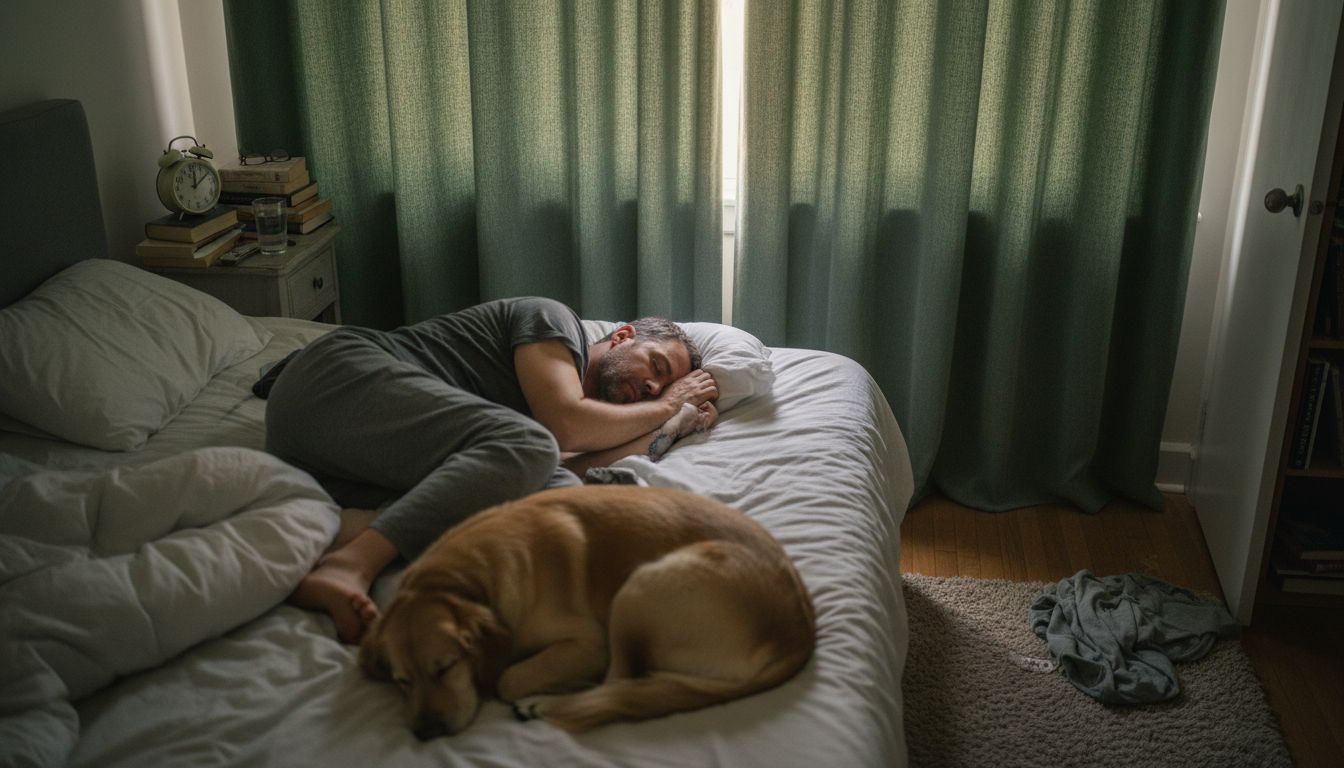
Light control stands as one of the primary functions homeowners consider when choosing drapery fabrics. Sheer and semi-sheer materials filter sunlight while maintaining visibility, creating a soft, diffused glow throughout your space. Heavier fabrics or those with blackout linings completely block light, making them ideal for bedrooms where darkness promotes better sleep.
Privacy enhancement works hand-in-hand with light control. Opaque fabrics prevent outside viewers from seeing into your home, especially important for ground-floor windows or homes in densely populated areas. Layering sheer curtains with heavier drapes gives you flexibility to adjust privacy levels throughout the day while still allowing natural light when desired.
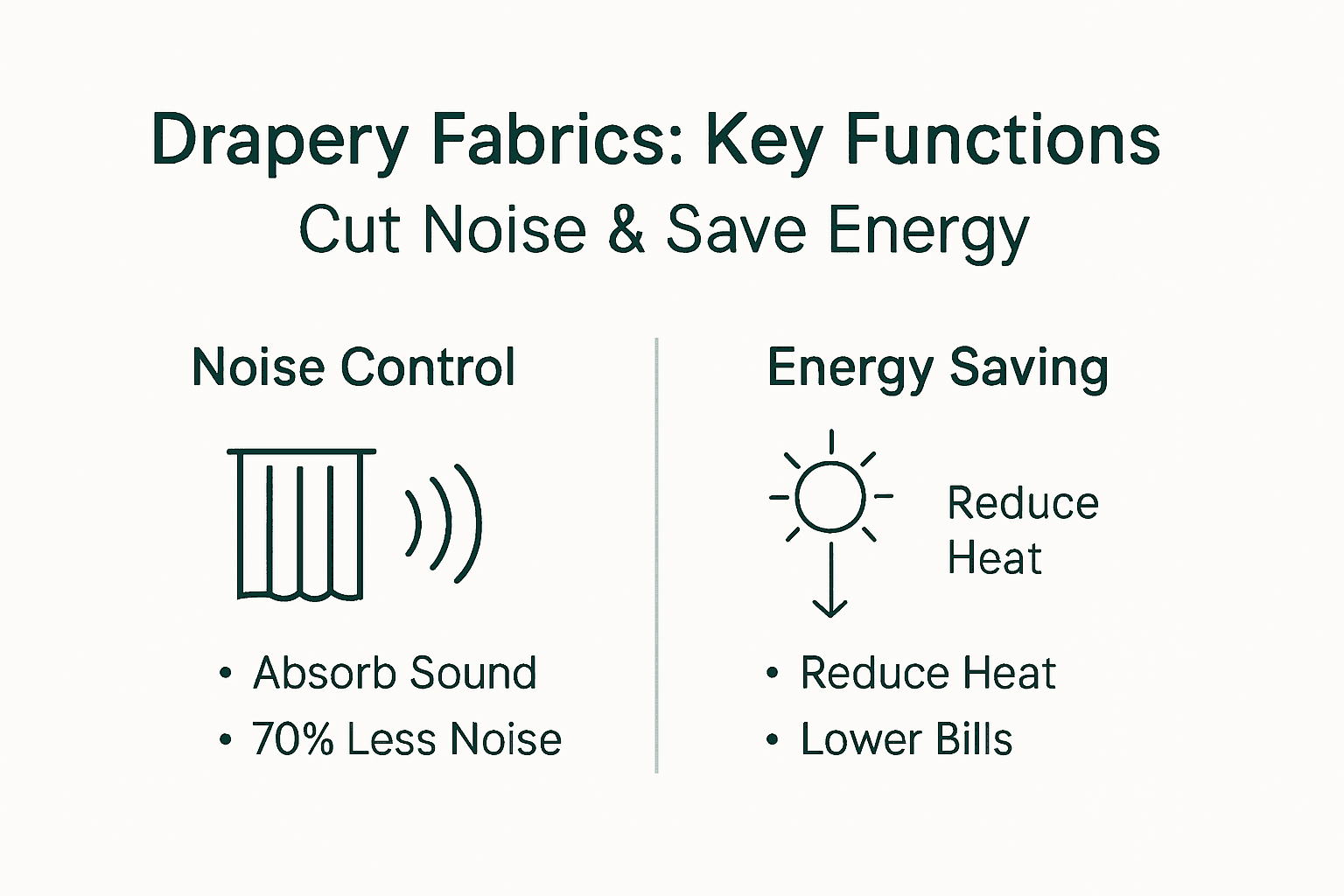
Acoustic dampening provides an often overlooked benefit of quality drapery fabrics. Dense, textured materials absorb sound waves rather than reflecting them, reducing echo and noise pollution inside your home. Curtains can reduce heat loss by up to 25% and block up to 70% of external noise depending on fabric type and thickness.
Thermal insulation represents another critical function, particularly valuable in South Carolina’s climate. During summer, properly hung drapes reduce heat gain from sun exposure, lowering cooling costs. In winter, fabric layers trap air between the window and room, minimizing heat loss. Velvet drapes can reduce noise reverberation by up to 60% and improve room thermal retention by approximately 20%, making them excellent choices for multipurpose spaces.
These functional roles work together to create comfortable, energy-efficient living spaces. Window treatment fabric tips emphasize matching fabric weight and weave to your specific needs rather than choosing based solely on appearance.
Core functional benefits include:
- Light management through filtering, diffusing, or blocking sunlight
- Privacy protection via opacity control and layering techniques
- Sound absorption reducing ambient noise and improving acoustics
- Temperature regulation through insulation and heat reflection
- UV protection preserving furniture, flooring, and artwork from fading
Material types and performance characteristics
Cotton drapery fabrics offer breathability and versatility, making them popular for casual or traditional interiors. Cotton drapery fabrics provide breathable, easy-to-care-for window treatments suitable for casual or layered interior styles but require lining for improved opacity and UV protection. These natural fibers wrinkle easily, so consider pre-shrunk or wrinkle-resistant finishes if low maintenance matters to you.
Silk represents luxury and elegance with its natural sheen and fluid movement. Silk draperies offer luxurious sheen and fluid movement but require delicate care, including dry cleaning and UV shielding to preserve fabric integrity. While silk drapes beautifully, direct sunlight can degrade the fibers over time, making lining essential for south or west-facing windows.
Polyester has evolved significantly from its reputation as a budget synthetic. Modern synthetics like polyester can mimic the texture and sheen of natural fibers while offering superior durability and color retention. These fabrics resist wrinkles, maintain color vibrancy, and handle frequent washing better than most natural materials, though they may not breathe as well in humid conditions.
Velvet and jacquard satin fall into the heavy fabric category, providing excellent acoustic and thermal insulation. Their dense weave and substantial weight make them ideal for bedrooms or media rooms where sound control matters. However, these materials require more maintenance and stronger curtain rods due to their weight.
| Fabric Type | Durability | Maintenance | Breathability | Light Filtration | Best Use Cases |
|---|---|---|---|---|---|
| Cotton | Moderate | Easy, machine washable | High | Moderate with lining | Living rooms, kitchens, casual spaces |
| Silk | Delicate | Dry clean only | Moderate | Low to moderate | Formal dining rooms, master bedrooms |
| Polyester | High | Very easy, wrinkle resistant | Low to moderate | Variable by weave | High-traffic areas, children’s rooms |
| Velvet | High | Professional cleaning | Low | High | Bedrooms, media rooms, formal spaces |
| Linen | Moderate | Easy but wrinkles | High | Moderate | Coastal or casual interiors |
For South Carolina homes, consider these factors when selecting materials:
- Natural fibers like cotton and linen handle humidity better but may require lining
- Synthetics offer low maintenance but may trap moisture in poorly ventilated spaces
- Heavy fabrics provide superior insulation but need sturdy hardware
- Blends combine benefits of natural and synthetic materials
Explore the fabric selection guide 2026 and learn about the role of fabric in window treatments to understand how different materials perform in various settings.
Importance of fabric drape and texture in interior design
The drape quality of fabric, defined by how it falls and folds, is determined by fiber type, weave, and weight, significantly impacting the visual elegance and personality of window treatments. Fabrics with excellent drape create soft, flowing folds that add movement and dimension to your windows, while stiffer materials maintain structured shapes and crisp pleats.
Fluid drape works beautifully in formal or romantic interiors where you want graceful, cascading folds. Silk, rayon, and lightweight cotton achieve this effect naturally, creating an elegant atmosphere without appearing overdone. These fabrics catch and reflect light differently as they move, adding visual interest throughout the day.
Structured drape suits modern or traditional spaces where clean lines and precise tailoring matter. Heavier cottons, linens, and certain synthetic blends hold their shape well, maintaining pleats and creating architectural interest at your windows. This quality proves especially valuable for valances, cornices, and formal drapery panels.
Texture adds another dimension to your window treatments, influencing both visual appeal and tactile experience. Smooth silk creates a refined, polished look that reflects light evenly. Plush velvet absorbs light and adds depth while providing superior insulation. Crisp cotton offers a clean, casual feel that works across multiple design styles.
Balancing drape and texture with functionality requires thoughtful consideration of your room’s purpose and aesthetic goals. A bedroom might benefit from heavy velvet’s light-blocking properties and luxurious feel, while a sunroom calls for lightweight, textured linen that filters light softly.
Pro Tip: Request fabric samples and hang them in your room for several days, observing how they drape and appear in different lighting conditions before making your final selection.
The curtain style selection guide helps you understand how drape and texture work together to achieve your desired aesthetic while meeting practical requirements.
Common misconceptions about drapery fabrics
Many homeowners believe heavier drapes always block more light, but this oversimplifies fabric performance. Lightweight fabrics with tight weaves can block as much light as heavier fabrics depending on construction and finish. Weave density, fiber opacity, and lining quality matter more than weight alone when controlling light penetration.
The assumption that synthetic fabrics look cheap no longer holds true. Modern synthetics like polyester can mimic the texture and sheen of natural fibers while offering superior durability and color retention. Today’s manufacturing techniques create synthetic drapery fabrics virtually indistinguishable from natural materials at a fraction of the cost and maintenance requirements.
Some people think only natural fibers breathe well, making synthetics unsuitable for humid climates. While natural fibers do offer better inherent breathability, properly lined synthetic fabrics with moisture-wicking properties perform adequately in humid environments. Blends often provide the best balance, combining natural fiber breathability with synthetic durability.
Silk’s reputation as impractical due to care requirements discourages many homeowners from considering this luxurious option. Recent advances in protective finishes and lining technologies make silk more practical than ever. UV-protective linings shield delicate fibers, while stain-resistant treatments reduce maintenance concerns without compromising the fabric’s elegant drape.
The belief that opacity depends solely on fabric weight ignores other critical factors. Weave density, fiber type, color depth, and lining all influence how much light passes through drapery. A tightly woven lightweight fabric with proper lining can provide more privacy than a loosely woven heavy material.
Common myths about drapery fabrics:
- Heavy fabrics always block more light (weave and lining matter more)
- Synthetics look obviously artificial (modern options rival natural fibers)
- Only natural materials breathe properly (blends and treatments improve performance)
- Silk requires excessive maintenance (protective finishes reduce care needs)
- Weight determines opacity (weave density and lining play larger roles)
Pro Tip: Always request detailed fabric specifications and care instructions before purchasing, and don’t rely on assumptions about material performance based on outdated information.
Learn more about cotton drapery facts to separate reality from misconception when evaluating natural fiber options.
Contextual recommendations based on South Carolina climate and interior needs
South Carolina’s humid subtropical climate creates specific challenges for window treatments. In South Carolina’s humid subtropical climate, breathable natural fibers combined with lined drapery solutions optimize moisture management and thermal comfort. Breathable fabrics like cotton and linen blends allow air circulation while preventing moisture buildup that can lead to mildew or musty odors.
Lining lightweight fabrics becomes essential in this region for multiple reasons. Linings provide UV protection that prevents sun damage to both your drapery and interior furnishings. They add thermal insulation that reduces cooling costs during hot, humid summers. Quality linings also improve opacity without requiring extremely heavy face fabrics that may feel oppressive in smaller rooms.
Bedrooms benefit from heavier fabrics with acoustic properties that promote restful sleep by dampening outside noise. Velvet, lined cotton, or jacquard satin work well in these spaces, creating a quiet, comfortable environment. The thermal insulation these materials provide also helps maintain consistent temperatures throughout the night.
Layered treatments offer maximum flexibility for South Carolina homes. Pair sheer curtains with heavier drapes, allowing you to adjust light and privacy levels throughout the day. During peak summer heat, closing both layers reduces heat gain by 15 to 25 percent compared to bare windows, significantly lowering your energy bills.
Fabric choices for different South Carolina rooms:
- Living rooms: Medium-weight cotton or linen blends with thermal lining for balance
- Bedrooms: Heavy velvet or lined jacquard for sound dampening and light blocking
- Kitchens: Easy-care polyester or cotton blends that resist stains and moisture
- Sunrooms: Lightweight, UV-resistant fabrics that filter light without trapping heat
- Home offices: Textured fabrics with acoustic properties to reduce echo during video calls
The custom drapery fabric selection guide provides room-by-room recommendations tailored to regional climate considerations.
Technological advances in drapery fabrics
Modern fabric technology has transformed drapery performance and safety standards. Advances in fabric technology include flame-retardant treatments and stain-resistant coatings that enhance safety and durability without compromising fabric drape or aesthetics. These treatments meet strict safety codes like NFPA 701, making treated fabrics suitable for commercial applications and safety-conscious homeowners.
Flame-retardant treatments slow fire spread, giving occupants additional time to evacuate in emergencies. These chemical applications don’t stiffen fabrics or alter their appearance, maintaining the original drape quality and color. Many treatments remain effective through multiple cleanings, though you should verify longevity with your fabric supplier.
Stain-resistant coatings repel liquids and prevent soil from penetrating fabric fibers, simplifying maintenance significantly. These finishes prove especially valuable in high-traffic areas, homes with children or pets, or spaces where food and beverages are consumed. Modern coatings don’t create the stiff, plastic feel associated with older treatments.
Eco-friendly and sustainable materials continue gaining popularity as environmental awareness grows. Organic cotton, bamboo blends, and recycled polyester offer responsible alternatives without sacrificing performance. These materials often feature natural antimicrobial properties that resist mildew, an important consideration in humid climates.
Technological features to consider:
- Flame-retardant treatments meeting NFPA 701 safety standards
- Stain-resistant finishes that simplify cleaning and extend fabric life
- UV-protective coatings preventing sun damage and color fading
- Antimicrobial treatments resisting mildew in humid environments
- Eco-friendly materials reducing environmental impact
Explore fabric technology advances to understand how modern treatments enhance traditional materials.
Bringing it all together: how to choose the right custom drapery fabric for your home
Selecting the perfect drapery fabric requires balancing aesthetic preferences with functional requirements while considering your specific climate and lifestyle needs. The process becomes manageable when broken into clear steps that address each consideration systematically.
Start by assessing your functional priorities for each room. Do you need complete light blocking for better sleep, or would light filtering suffice? Is noise reduction important, or do privacy concerns top your list? Understanding these needs narrows your fabric options significantly, making subsequent decisions easier.
Consider your aesthetic vision and how drapery fabrics will complement existing decor. Identify your preferred style, whether traditional, modern, coastal, or eclectic. Look at color palettes, patterns, and textures that harmonize with your furnishings and architectural details. Fabric samples help you visualize how materials will appear in your specific lighting conditions.
Research material characteristics that match your requirements and maintenance preferences. Natural fibers offer breathability and classic appeal but may require more care. Synthetics provide durability and easy maintenance at lower cost points. Blends often deliver the best compromise between performance and practicality.
Evaluate technological enhancements that improve safety and longevity. Flame-retardant treatments, stain-resistant coatings, and UV protection extend fabric life while addressing safety concerns. These features add value, especially in homes with children, pets, or significant sun exposure.
Consult with drapery professionals who understand regional climate challenges and can recommend appropriate solutions. Expert guidance helps you avoid costly mistakes and ensures proper fabric selection, hardware specification, and installation techniques.
Five-step fabric selection process:
- Assess functional needs including light control, privacy, acoustics, and thermal performance
- Define aesthetic preferences considering style, color, pattern, and texture
- Research material options evaluating durability, maintenance, and climate suitability
- Consider technological features like flame retardancy, stain resistance, and UV protection
- Seek professional consultation for expert recommendations and installation guidance
The fabric selection guide walks you through each decision point, while professional drapery consultations connect you with experts who understand South Carolina homes. Learn why use custom drapes to appreciate the value of personalized window treatment solutions.
Find your perfect custom drapery fabric at Beautiful Windows Elgin
Ready to transform your South Carolina home with custom drapery fabrics that balance beauty and function? Beautiful Windows Elgin offers an extensive selection of designer fabrics perfectly suited to the region’s unique climate and diverse interior styles. Our team provides expert guidance through every step of your fabric selection process, ensuring you choose materials that meet your specific needs.
From breathable cottons and elegant silks to durable synthetics and luxurious velvets, we carry fabrics that address every functional requirement and aesthetic preference. Our personalized consultation services help you navigate options, understand performance characteristics, and visualize how different materials will look in your space.
Explore our comprehensive resources including window treatment fabric tips and detailed guides on the role of fabric in window treatments. Our fabric selection guide provides the information you need to make confident decisions about your custom drapery investment.
Frequently asked questions
What factors most affect drapery fabric performance in humid climates like South Carolina?
Breathability stands as the most critical factor for humid climate performance. Natural fibers like cotton and linen allow air circulation, preventing moisture buildup that leads to mildew. Proper lining adds UV protection and insulation without compromising breathability, making lined natural fiber drapes ideal for South Carolina homes.
How can I ensure my drapery fabrics provide both privacy and natural light?
Layered window treatments offer the best solution for balancing privacy with natural light. Install sheer curtains closest to the window for daytime light filtering with privacy, then add heavier drapes that can be drawn for complete privacy at night. This approach gives you flexibility to adjust coverage based on time of day and specific needs.
Are synthetic drapery fabrics durable enough for everyday use?
Modern synthetic fabrics like polyester offer exceptional durability that often exceeds natural fibers. They resist fading, maintain shape through repeated washing, and handle daily wear better than cotton or silk. Quality synthetics now rival natural materials in appearance while providing superior color retention and wrinkle resistance over many years of use.
What maintenance is required for silk drapery fabrics?
Silk typically requires professional dry cleaning to maintain its luster and prevent damage. Protective linings shield silk from direct sunlight, which can degrade fibers over time. Modern stain-resistant treatments applied during manufacturing reduce maintenance frequency, but you should still handle silk drapes gently and follow care instructions precisely to preserve their beauty.
Do I need blackout lining for bedroom drapery fabrics?
Blackout lining depends on your light sensitivity and sleep preferences. If you work night shifts or have trouble sleeping with ambient light, blackout lining provides complete darkness. For most people, thermal lining offers adequate light reduction while providing insulation benefits. Consider your specific needs and test fabric samples in your bedroom before committing to full blackout treatment.
Recommended
- Why Use Custom Drapes: Enhanced Comfort and Style – Shop Designer Fabrics by the Yard | Curtains & Drapery
- How to Choose the Right Fabric for Drapery – Shop Designer Fabrics by the Yard | Curtains & Drapery
- Role of Fabric in Window Treatments– Impact on Style & Function – Shop Designer Fabrics by the Yard | Curtains & Drapery
- Curtain Fabric Selection Guide 2026: Pick Styles That Last 30% Longer – Designer Fabrics by the Yard | Drapery Making Services