


What Are the Luxury Designer Drapery Fabric Trends for 2026?
Last Updated: October 30, 2026
Quick Summary
Luxury designer drapery fabric trends for 2026 favor texture over shine, warmth over cool minimalism, and movement over stiff structure. Linen is the defining material of the year, layered with sheers and velvets in earthy neutrals like oatmeal, mushroom, clay, sand, and soft taupe.
- Warm neutrals dominate the 2026 palette: oatmeal, mushroom, clay, sand, and soft taupe.
- Layering sheer panels with textured linen or velvet panels is the most requested styling approach this year.
- A gathered look generally calls for fullness of two to two-and-a-half times the window width.
- Luxury textiles are verified through fiber quality, weave structure, finishing, and performance testing.
- Match lining to sun exposure, privacy needs, and desired formality before finalizing the face fabric.
Table of Contents
- 2026 Curtain Fabric Trends: Texture, Warmth, and Movement
- Linen Drapery Fabric: The Natural Choice for 2026
- How to Choose the Best Fabric for Custom Drapes
- Drapery Fabric by the Yard: Buying Guide for Designers and DIY Makers
- Luxury Designer Fabric Houses, Weaves, and Construction
- Lining, Interlining, and Performance Trade-Offs
- Select Your Fabric and Start Your Custom Drapery Project
- Frequently Asked Questions
2026 Curtain Fabric Trends: Texture, Warmth, and Movement
Luxury designer drapery fabric trends in 2026 point in one clear direction: texture over shine, warmth over cool minimalism, and movement over stiff structure.
The Shade Store's 2026 window treatment trends report names earthy colors, layered design, and motorization as the defining directions this year.
Below, we break down the fabric trends worth investing in, how to choose the right cloth for each room, and what separates a luxury textile from a lookalike.
Earthy Neutrals and Rich Color Palettes
Warm neutrals dominate the 2026 palette: oatmeal, mushroom, clay, sand, and soft taupe. These tones work because they let texture do the talking. A slubby linen in mushroom reads far richer than a smooth fabric in the same shade.
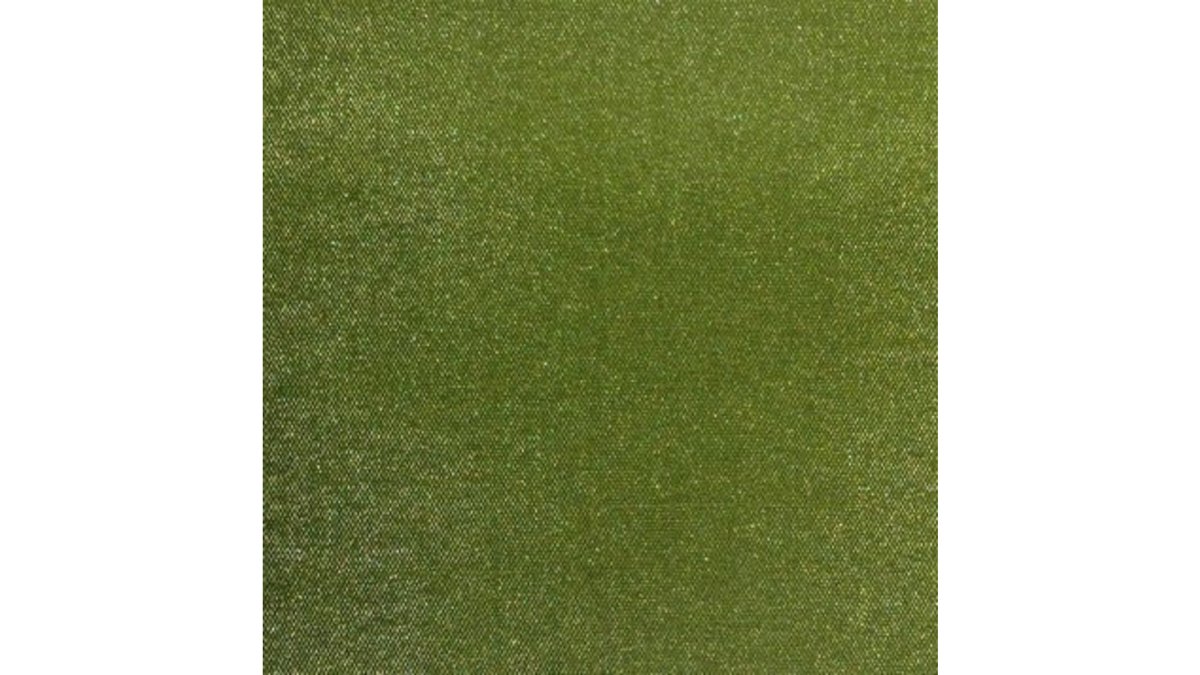
Rich color has not disappeared. It has moved toward depth rather than brightness. Our Emerald Green Curtain Fabric is a good example: a jewel-toned shantung with a soft hand and enough body to hold a graceful fold.

Layering Sheers with Textured Linens and Velvets
Layering is the single most requested styling approach this year. Sheer panels sit closest to the glass, filtering light and adding softness.
The pairing solves a real problem. Sheers alone leave a room feeling exposed at night. Heavy panels alone block too much daylight.
Linen Drapery Fabric: The Natural Choice for 2026
Linen drapery fabric is the defining material of the year. Its irregular slubs, natural movement, and matte finish create the organic texture designers now treat as the marker of a luxury interior.
The trade-off is real. Pure linen wrinkles and can fade in strong sun. If you are weighing linen against cotton for a specific window, our comparison of linen vs cotton for custom curtains covers drape, durability, and care side by side.
How to Choose the Best Fabric for Custom Drapes
The best fabric for custom drapes depends on three things: the room's light exposure, the privacy you need, and how much weight the window can carry. Start with the room, not the swatch book.
Fabric Weight, Durability, and Room-by-Room Selection
Lightweight sheers suit living rooms where you want daylight and softness. For curated options, see our best fabric for living room curtains. Medium-weight linens and blends work in bedrooms and dining rooms where drape and privacy matter. Heavier velvets and jacquards anchor formal spaces and block light well.
Watch out: ordering lightweight fabric for a west-facing window with direct afternoon sun often leads to fading and a limp drape within a season. Match weight to exposure first, then choose the color.
| Room | Recommended Weight | Key Priority |
|---|---|---|
| Living room | Light to medium | Light control and softness |
| Bedroom | Medium to heavy | Privacy and light blocking |
| Dining room | Medium | Drape and formality |
| Sunroom | Medium, lined | UV resistance |
Drapery Fabric by the Yard: Buying Guide for Designers and DIY Makers
Buying drapery fabric by the yard gives you control over panel width, fullness, and lining, which pre-made curtains rarely allow. Our guide to buying designer fabric by the yard walks through the practical steps.
A common mistake is underestimating fullness. Flat panels look mean next to a window. A gathered look generally calls for fullness of two to two-and-a-half times the window width.
Emerald Green Curtain Fabric | 95/5 Poly-Cotton—60" Wide Decor →
Luxury Designer Fabric Houses, Weaves, and Construction
What separates a luxury textile from a lookalike comes down to four things you can verify before you buy: fiber quality, weave structure, finishing, and performance testing. Our guide to identifying high quality fabric explains each in detail.
Fiber quality: the first filter
Long-staple fibers spin into smoother, stronger yarns with less pilling. Egyptian and Supima cotton, European flax linen, and mulberry silk are the benchmarks most designer houses build around. A short-staple fiber can look identical on a sample card but will fuzz, pill, and lose body within a season or two. Ask for the fiber content and, where available, the staple length or yarn count, a higher yarn count generally means a finer, denser cloth.
Weave structure: what holds the pattern and the drape
- Jacquard, the pattern is woven into the cloth on a loom rather than printed on top. Dense jacquards hold complex designs and resist pilling; loose jacquards can snag and sag.
- Dobby, small geometric or textured patterns woven on a dobby loom. Common in high-end linens and blends; look for tight, even interlacing.
- Satin and sateen, float yarns create sheen and a fluid hand. Beautiful drape, but prone to snagging; best in low-traffic formal rooms.
- Plain weave (tabby), the workhorse structure for linens and cottons. Quality shows in even tension and few slubs unless the slub is intentional.
- Velvet, cut-pile construction. Pile density and fiber (cotton, silk, or synthetic blends) determine whether it crushes gracefully or looks flattened within months.
A tightly woven jacquard holds its pattern and resists pilling. A loosely woven cloth pills and sags within months. Hold a swatch to the light: if you can see wide gaps between yarns, expect poor shape retention.
Finishing and performance testing
Finishing is where luxury houses earn their premium: calendering for a subtle luster, mercerizing for cotton strength and dye uptake, and stain or UV treatments applied at the mill rather than sprayed on later. Look for these numbers on the spec sheet:
- Double rubs (Wyzenbeek or Martindale), abrasion resistance. Higher counts suit high-traffic rooms; drapery generally needs far fewer rubs than upholstery, but a low count signals a fragile cloth.
- Pilling class, usually rated 1-5; a 4 or 5 resists fuzzing.
- Colorfastness to light, rated 1-5; a 4 or higher matters for sun-facing windows.
- Fire retardancy, many contract and hospitality fabrics carry a rating; residential drapery may not require it, but the rating signals mill testing discipline.
These numbers tell you how the fabric will perform, not just how it looks on a sample card.
Lining, Interlining, and Performance Trade-Offs
Lining is an important decision in custom drapery, because it strongly affects performance. A lined panel blocks more light, protects the face fabric from sun damage, and hangs with more weight. Interlining adds body and insulation for bedrooms and formal rooms. But the choices are not binary, there are several lining types, and each trades off differently.
Lining types and what they do
- Standard cotton or poly-cotton lining, the default. Adds opacity, protects the face fabric, and improves drape at modest cost.
- Blackout lining, a coated or tightly woven layer that blocks most light. Best for bedrooms and media rooms; can feel stiff until it relaxes with hanging.
- Thermal or insulated lining, adds a layer that slows heat transfer. Useful on single-pane or sun-baked windows; adds bulk and cost.
- Bump (interlining), a flannel or domette layer sandwiched between face fabric and lining. Adds body, softens folds, and improves insulation without changing the face fabric.
- Self-lining, using the face fabric itself as the lining. Elegant on sheers and lightweight silks, but offers little sun protection for the face.
The real trade-offs
| Choice | Gains | Costs |
|---|---|---|
| Unlined | Lighter, less expensive, more sheer | Faster sun damage, less formal drape, less privacy |
| Standard lined | Sun protection, opacity, better hang | Added cost and weight |
| Blackout lined | Maximum light control | Stiffer hand, higher cost |
| Interlined | Body, insulation, luxurious folds | Bulk, highest cost, heavier hardware needs |
For high-exposure windows, lining is not optional; it is what makes the fabric last. A west-facing window with direct afternoon sun will fade an unlined silk or linen face far sooner than a lined one, the lining absorbs the UV load the face fabric would otherwise take.
How lining changes color, drape, and privacy
A white lining brightens a face fabric; a dark or matched lining deepens it. Interlining makes folds rounder and more uniform, which is why formal rooms often specify it. Privacy is a function of opacity plus lining: a sheer with a blackout lining behaves very differently from the same sheer unlined. Decide privacy and light control first, then choose the lining that delivers them.
Select Your Fabric and Start Your Custom Drapery Project
Texture, warmth, and movement define luxury drapery in 2026, and the right fabric is where every project begins. Before ordering, use our steps to calculate drapery fabric yardage to get the quantity right. Beautiful Windows Elgin offers designer fabrics by the yard with nationwide shipping, and custom drapery services are available on request for homeowners and designers, from embroidered fabric for custom curtains to finished pinch pleat panels tailored to your measurements.
Frequently Asked Questions
What drapery fabrics are trending in 2026?
Textured natural fabrics lead the 2026 trends. Linen, cotton blends, and soft velvets are being paired with sheer layering and full-height drapery to create depth and warmth. Earthy neutrals and rich color palettes are also popular, with designers favoring tactile finishes over flat synthetics. For a custom look, drapery fabric by the yard in these materials lets you control the final result.
Which fabrics look most luxurious for curtains?
Velvet, silk-like shantung, and embroidered cottons read as the most luxurious. A high-quality drapery fabric with visible texture, such as a linen blend or a subtle slub weave, adds depth that flat fabrics lack. The Massimo Emerald Green curtain fabric, a 95/5 poly-cotton shantung, offers a jewel-toned sheen that feels formal and rich without the delicate care of pure silk.
Are natural fabrics a good choice for drapery?
Yes, natural fabrics like linen and cotton are excellent for drapery because they breathe, drape beautifully, and add organic texture. They do require more care than synthetics; linen wrinkles and cotton can fade in strong sun. For high-traffic or sunny rooms, a cotton-poly blend gives you the natural look with better durability and stain resistance.
What is the best fabric weight for living room curtains?
Medium to heavy weights work best for living rooms. A fabric around 300-400 gsm, like the 374 gsm Massimo Emerald Green, provides substantial drape and blocks light without looking bulky. For a softer, airier feel, choose a lightweight linen or sheer for layering. Heavier weights are also better for privacy and insulation.
How do I choose drapery fabric for a sunny room?
Look for fabrics with UV protection or a tight weave that resists fading. Solution-dyed acrylics and polyester blends hold color well in strong light. Natural linens will fade over time unless lined. A lined cotton or poly-cotton drapery fabric offers a good balance of style and sun resistance, and interlining adds extra protection.
How much fabric do I need for custom drapes?
Measure your window width and multiply by 2 to 2.5 for fullness, then divide by the fabric width to get the number of widths. For floor-length drapes, add 8-12 inches for hems and header. Always round up. For a standard 72-inch window with 2.5x fullness, you will need roughly 10-12 yards of 54-inch-wide drapery fabric.
The difference between drapery that looks expensive and drapery that is expensive comes down to fabric selection and construction. Beautiful Windows Elgin offers curated designer fabrics sold by the yard, custom drapery services on request, and nationwide shipping, so you can source premium textiles and have them tailored to your windows. Get started with Beautiful Windows Elgin and bring the 2026 texture trend into your home.
