


What is custom drapery process: A 2026 guide
Many homeowners think custom drapery is too complex or costly, but that’s a misconception. The process is actually straightforward when broken into clear steps. This guide walks you through every stage, from initial consultation to final installation, showing how tailored drapery enhances both style and function. You’ll learn exactly what to expect, how to make informed fabric choices, and why custom solutions often deliver better value than ready-made alternatives.
Table of Contents
- Understanding The Custom Drapery Process: Step By Step
- Choosing Fabrics And Styles That Transform Your Space
- Measuring And Tailoring For Perfect Drapery Fit
- Adding Convenience With Motorization And Advanced Hardware
- Explore Custom Drapery Options And Fabrics Today
- What Is The Custom Drapery Process? Frequently Asked Questions
Key takeaways
| Point | Details |
|---|---|
| Custom drapery follows precise steps | Consultation, measurement, design selection, fabrication, and installation ensure perfect fit and style |
| Fabric choices impact functionality | Weight, texture, and color affect light control, privacy, and room aesthetics |
| Measurements determine fullness | Panels should be at least twice window width for proper volume and drape |
| Pleat styles shape appearance | Pinch pleats, ripple folds, and other styles create distinct visual effects |
| Motorization adds convenience | Automated systems increase accessibility but add 20 to 50 percent to costs |
Understanding the custom drapery process: step by step
The custom drapery process involves several key steps: consultation, measurement, design selection, fabric selection, fabrication, and installation. Each stage builds on the previous one to create window treatments that fit your space perfectly.
The initial consultation sets the foundation. You’ll discuss your style preferences, functional needs, and budget with a designer. This conversation covers everything from light control requirements to color schemes that complement your existing decor. During this phase, you’ll also address practical considerations like privacy concerns and whether you need blackout capabilities.
Measurement is the most critical technical step. A professional will visit your home to take precise window dimensions, noting ceiling height, wall space, and any architectural features that affect installation. These measurements determine fabric yardage, hardware placement, and final costs. Even small errors here can ruin the finished product.
Design and fabric selection happen next. You’ll choose pleat styles, heading types, and lining options that match your vision. Professional drapery consultations help narrow down hundreds of fabric choices to the perfect match for your space. This stage also includes selecting hardware like rods, rings, and finials.
Fabrication takes place in a workroom where skilled professionals cut, sew, and finish your drapery. Quality workrooms use precise techniques to ensure straight hems, consistent pleats, and proper lining attachment. This process typically takes two to six weeks depending on complexity and workroom schedule.
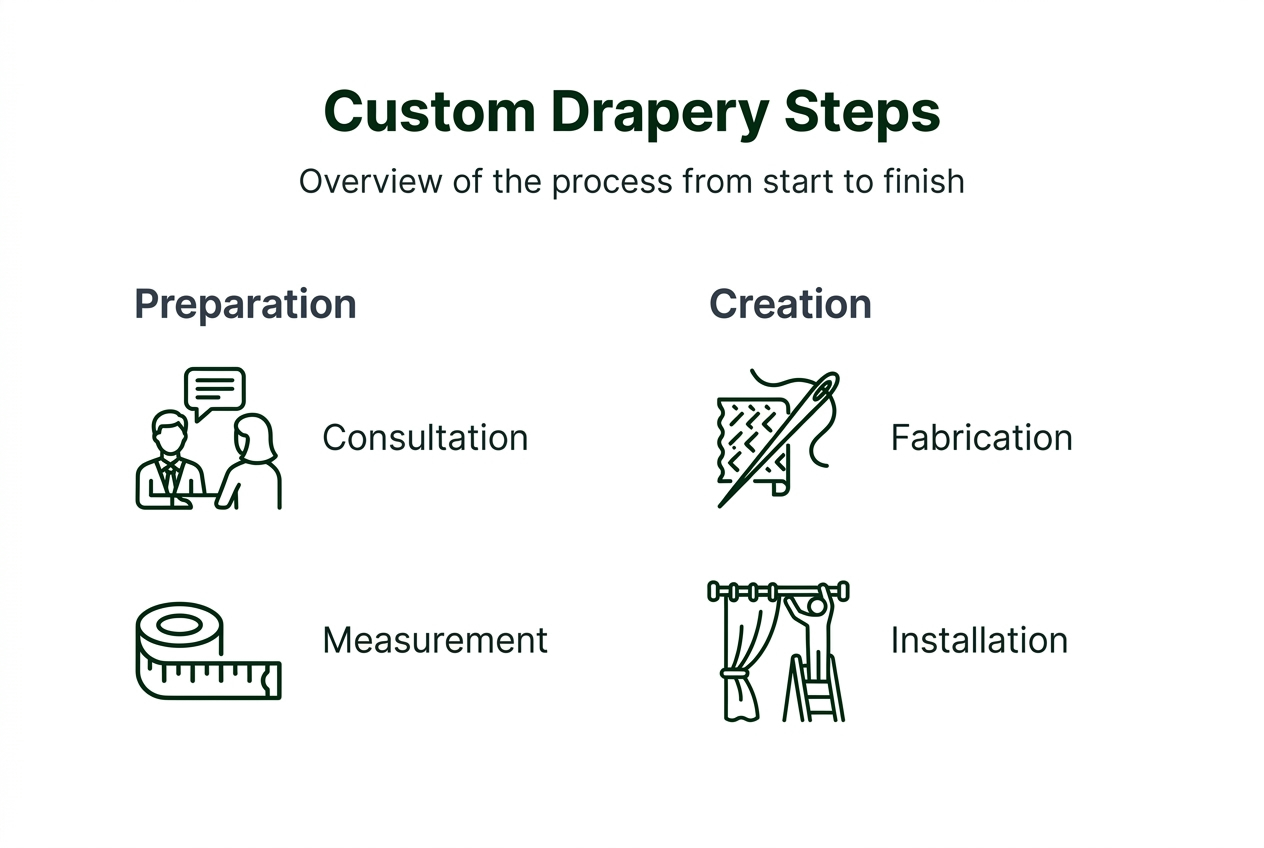
Installation completes the process. Professionals mount hardware securely, hang panels to exact specifications, and make final adjustments. They’ll ensure drapery operates smoothly and hangs with proper fullness. This step requires expertise to avoid damage and achieve the polished look you expect.
Pro Tip: Schedule your consultation at least eight weeks before you need the drapery installed. This buffer accounts for fabric ordering, fabrication time, and any unexpected delays.
Choosing fabrics and styles that transform your space
Fabric selection makes the difference between amateur and professional results. The right material affects how your drapery hangs, filters light, and withstands daily use. Different fibers offer distinct benefits: cotton breathes well and accepts dye beautifully, silk adds luxury and sheen, linen provides casual elegance, and polyester blends resist fading and wrinkles.
Pleat styles dramatically change the overall aesthetic. Pinch pleats create traditional elegance with groups of three folds stitched together at the heading. Ripple folds produce modern, wave-like undulations that work beautifully in contemporary spaces. Goblet pleats form rounded shapes that suit formal rooms, while tailored pleats offer clean lines for minimalist designs. Each style requires different fabric fullness ratios and affects how light filters through the panels.
Choosing the right fabric for drapery involves considering weight, texture, pattern, and color. Heavier fabrics like velvet or thick cotton provide better insulation and light blocking. Lighter materials like sheers or voiles allow soft illumination while maintaining privacy. Texture adds visual interest: smooth satins reflect light, while nubby linens absorb it.
Hardware choices influence both operation and visual appeal. Decorative rods and finials become design elements that complement your fabric selection. Traverse rods enable smooth opening and closing. Rings create distinct visual punctuation along the heading. The curtain style selection process should account for how hardware interacts with your chosen pleat style and fabric weight.
Consider these factors when selecting fabrics and styles:
- Room function and light requirements
- Existing color palette and furniture styles
- Window size and ceiling height
- Maintenance preferences and cleaning methods
- Budget constraints for fabric per yard
- Durability needs for high traffic areas
The drapery fabric selection guide helps you evaluate these variables systematically. Proper choices enhance room warmth, adjust perceived scale, and create cohesive design flow throughout your home.
Pro Tip: Order fabric samples before committing to large yardage purchases. View them in your actual space at different times of day to see how natural light affects color and texture.
Measuring and tailoring for perfect drapery fit
Correct measurements separate professional results from disappointing outcomes. Width determines fullness and volume. Panels should be at least twice the window width for adequate fullness, with 2.5 times creating luxurious, full draping. This ratio ensures panels don’t look skimpy when closed and creates attractive folds when open.
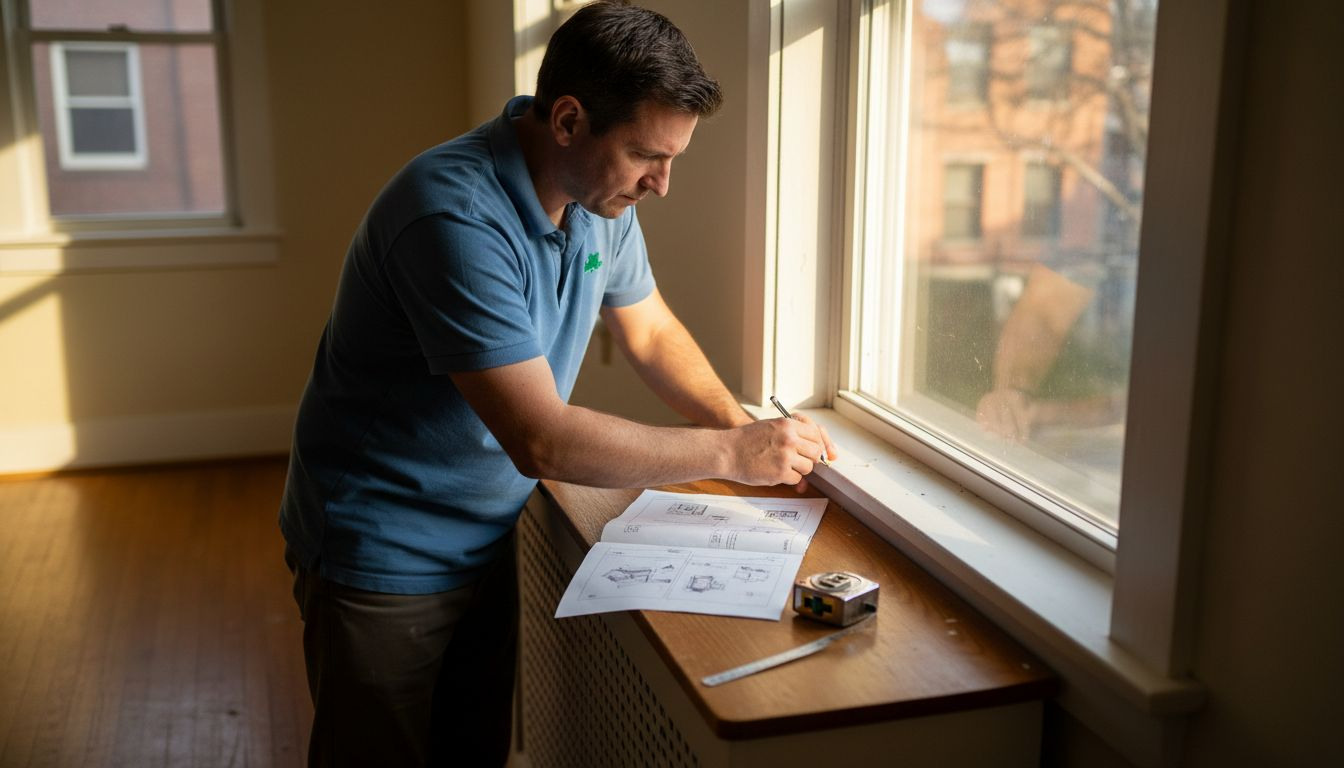
Length measurements require equal precision. Drapery should graze the floor for a polished look in most installations. Measure from the rod mounting point to exactly where you want the hem to fall. Add extra length for puddling if you prefer a more formal, romantic appearance. For functional spaces like kitchens, stopping just below the sill prevents interference with counters or appliances.
Special techniques handle unusual window shapes and ceiling heights. Arched windows need custom templates to follow curves precisely. Bay windows require angled rods and careful calculation of each section’s width. High ceilings create opportunities for dramatic, floor to ceiling treatments that make rooms feel more spacious. The custom drapery project timeline accounts for these complexities.
Custom window treatments for unique shapes require professional expertise to execute properly. Unusual configurations like corner windows, clerestory windows, or geometric shapes need specialized mounting systems and tailored cutting patterns.
| Window Width | Recommended Panel Width | Floor Length | Puddle Length |
|---|---|---|---|
| 36 inches | 72 to 90 inches | 84 to 96 inches | 96 to 102 inches |
| 48 inches | 96 to 120 inches | 84 to 96 inches | 96 to 102 inches |
| 60 inches | 120 to 150 inches | 84 to 108 inches | 96 to 114 inches |
| 72 inches | 144 to 180 inches | 96 to 108 inches | 102 to 114 inches |
Avoid these common measurement pitfalls:
- Measuring windows instead of the full wall space available
- Forgetting to account for baseboards and crown molding
- Not considering how furniture placement affects drapery function
- Ignoring HVAC vents and electrical outlets in the installation area
- Failing to measure all windows in a room individually
- Assuming all floors are level when determining length
Pro Tip: Always measure in three places across the width and height of each window. Use the largest measurement to ensure adequate coverage.
Adding convenience with motorization and advanced hardware
Motorized drapery systems transform how you interact with window treatments. These automated solutions use quiet motors hidden in the rod or headrail to open and close panels with a remote control, wall switch, or smartphone app. Motorization adds convenience and automation, with Somfy and Coulisse as popular brands offering reliable systems.
The technology particularly benefits high windows, hard to reach installations, and situations where you want to control multiple window treatments simultaneously. Smart home integration lets you program drapery to open at sunrise, close at sunset, or respond to temperature sensors. This automation improves energy efficiency by managing solar heat gain.
Costs for motorization range from 20 to 50 percent more than manual systems. The investment includes motors, control systems, and often professional installation to ensure proper wiring and programming. Battery powered options eliminate electrical work but require periodic recharging or battery replacement. Hardwired systems provide unlimited power but need access to electrical circuits.
| Feature | Manual Hardware | Motorized Hardware |
|---|---|---|
| Initial cost | $50 to $200 per window | $300 to $800 per window |
| Operation | Hand drawn or cord operated | Remote, app, or voice controlled |
| Installation complexity | Moderate, DIY friendly | High, often requires professional |
| Energy efficiency | Depends on user habits | Automated for optimal timing |
| Accessibility | Requires physical reach | Excellent for mobility limitations |
| Maintenance | Minimal, occasional lubrication | Motor service every 5 to 10 years |
Popular motorized systems offer various features:
- Somfy provides quiet motors with smartphone app control and smart home integration
- Coulisse systems emphasize sleek design and smooth operation
- Lutron focuses on whole home automation with scene programming
- Silent Gliss offers commercial grade reliability for demanding applications
- Budget brands deliver basic automation at lower price points
Advanced hardware extends beyond motorization. Ripple fold track systems create modern, architectural looks with minimal stacking space. Motorized traverse rods handle heavy fabrics smoothly. Bypass systems allow multiple panels to slide past each other on separate tracks. These specialized solutions address specific design challenges.
The benefits of custom drapes include the flexibility to specify exactly the hardware features you need. Unlike ready-made options, custom treatments accommodate any window size and integrate advanced technologies seamlessly.
Pro Tip: If you’re considering motorization but want to minimize upfront costs, install motorization-ready hardware. This allows you to add motors later without replacing the entire system.
Explore custom drapery options and fabrics today
Ready to start your custom drapery project? Beautiful Window Elgin offers an extensive selection of designer fabrics perfect for creating tailored window treatments that match your vision. Whether you need elegant cotton prints, luxurious embroidered textiles, or durable outdoor fabrics, you’ll find materials suited to every room and style preference.
Our inventory includes specialty options like silver waterproof canvas fabric for outdoor spaces and covered patios. Shop designer fabrics by the yard to discover materials in every color, pattern, and texture. Each fabric listing provides detailed specifications on weight, width, and recommended applications.
Explore these featured fabric types:
- Embroidered cottons for traditional elegance
- Jacquard satins adding subtle pattern and sheen
- Linen blends offering casual sophistication
- Waterproof materials for moisture prone areas
- Blackout fabrics providing complete light control
What is the custom drapery process? Frequently asked questions
How long does custom drapery take from start to finish?
The complete process typically requires six to ten weeks from initial consultation to final installation. Fabric ordering adds one to three weeks, fabrication takes two to six weeks, and installation scheduling may add another week. Rush orders are sometimes possible for additional fees but may limit fabric choices.
What are the cost benefits of custom versus ready-made drapery?
Custom drapery costs more upfront but delivers better long term value through precise fit, higher quality materials, and durability. Ready-made panels often require alterations, may not fit properly, and use lower grade fabrics that fade or wear quickly. Custom treatments last 10 to 20 years with proper care, while ready-made options typically need replacement every 3 to 5 years.
Can motorized drapery systems be added later?
Yes, if you install motorization ready hardware initially. These systems use hollow rods designed to accommodate motors added at any time. Retrofitting standard hardware requires complete replacement, which increases costs and installation time. Planning ahead provides maximum flexibility.
How do I know which pleat style fits my room?
Consider your overall design aesthetic and ceiling height. Pinch pleats suit traditional spaces with standard 8 to 9 foot ceilings. Ripple folds work beautifully in contemporary rooms with higher ceilings. Goblet pleats add formality to dining rooms and master suites. A design consultation helps match pleat styles to your specific space and preferences.
What if I have an unusually shaped window?
Custom drapery excels at handling unique window configurations. Professionals create templates for arched tops, angle measurements for bay windows, and specialized mounting systems for geometric shapes. Corner windows, skylights, and other challenging installations all have proven solutions. The key is working with experienced fabricators who regularly handle complex projects.
Do I need lining for my custom drapery?
Lining is highly recommended for most applications. It protects fabric from sun damage, improves insulation, enhances privacy, and creates a uniform exterior appearance. Blackout lining blocks light completely for bedrooms. Interlining adds extra body and luxury. Only sheer drapery intended for pure decoration should skip lining.
Recommended
- What Is Custom Drapery and Why It Matters – Shop Designer Fabrics by the Yard | Curtains & Drapery
- Drapery workrooms 2026: 6-8 week custom projects explained – Designer Fabrics by the Yard | Drapery Making Services
- Pro Drapery Consultations Cut Errors 50% & Boost Style – Shop Designer Fabrics by the Yard | Curtains & Drapery
- Why Use Custom Drapes: Enhanced Comfort and Style – Shop Designer Fabrics by the Yard | Curtains & Drapery
- How to hang paintings for a luxury interior in 2026