

Durable Designer Fabrics for Residential Upholstery
Table of Contents
- What Makes Durable Designer Fabrics Different for Home Upholstery
- Upholstery Fabric Types: Natural Fibers, Synthetics, and Blends
- Understanding Upholstery Fabric Durability Ratings and What They Mean
- Best Upholstery Fabric for High-Traffic Furniture and Everyday Use
- Upholstery Fabric Weight Guide: Choosing the Right GSM for Your Needs
- How to Clean Upholstery Fabric: Care and Maintenance by Fiber Type
- Stain Resistance, Fade Resistance, and Color Selection for Designer Fabrics
- How to Choose Durable Designer Fabrics: A Practical Framework
- Frequently Asked Questions
Last Updated: October 11, 2026
What Makes Durable Designer Fabrics Different for Home Upholstery
Durable designer fabrics for residential upholstery combine aesthetic appeal with engineered performance, setting them apart from standard home textiles. The global luxury upholstery fabric market was valued at $3.5 billion in 2024 and is projected to reach $6.2 billion by 2034, reflecting growing demand for high-performance residential textiles LS Fabrics 2026 Luxury Textile Trends.

At Beautiful Windows Elgin, we understand that selecting the right upholstery fabric requires balancing durability metrics with design vision. Quality upholstery fabric for daily-use sofas typically lasts 7-15 years with proper maintenance Zhida Furniture 2026 Guide to Furniture Fabric, but this lifespan depends heavily on fiber composition, weave construction, and how well you understand cleaning requirements.
The real difference between durable designer fabrics and ordinary upholstery comes down to three factors: fiber selection, construction method, and performance testing.
Upholstery Fabric Types: Natural Fibers, Synthetics, and Blends
Upholstery fabric options fall into three broad categories, each with distinct performance characteristics and aesthetic qualities. Understanding these types helps you match fabric properties to your lifestyle and design preferences.
Natural Fiber Options: Cotton, Linen, and Wool
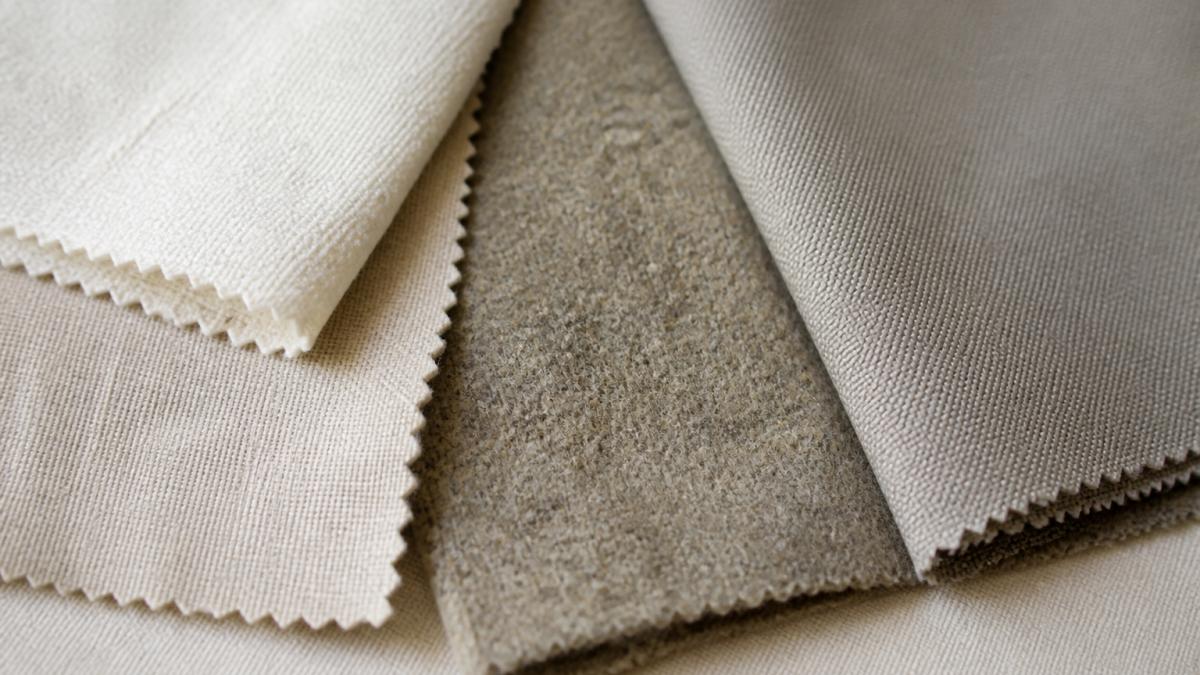
Natural fibers bring warmth and breathability to residential upholstery, though durability varies significantly by fiber and construction. Cotton offers softness and versatility, making it a popular choice for everyday seating. Linen provides a textured appearance with excellent durability when properly woven, though it wrinkles more readily than synthetics. Wool delivers natural stain resistance and inherent flame-retardant properties, making it valuable for households with children or pets.
The trade-off with natural fibers is maintenance intensity. Cotton and linen require more frequent cleaning and are more vulnerable to moisture damage if not treated. Wool resists soiling better but demands specialized cleaning methods to prevent shrinkage. For high-traffic furniture, natural fibers work best when blended with synthetics to improve durability without sacrificing the aesthetic qualities homeowners value.
Synthetic and Performance Fabrics
Synthetic upholstery fabrics, primarily polyester, polypropylene, and acrylic, dominate the performance category because they resist staining, fading, and moisture damage. Polyester is the most common synthetic choice, offering excellent color retention and cleanability. Performance fabrics engineered for residential use often include treatments that enhance stain resistance without compromising breathability.
These fabrics excel in households with active families, pets, or high-traffic zones. The Hollywood Silver Hue upholstery fabric from Beautiful Windows Elgin, for example, delivers 75,000 double rubs of durability with 100% polyester construction, making it suitable for sofas and chairs in busy living spaces. The drawback is tactile experience, synthetics can feel less luxurious than natural fibers, though modern performance fabrics have narrowed this gap significantly.
Cotton-Linen Blends and Hybrid Materials
Blended fabrics combine the best properties of natural and synthetic fibers, offering a practical middle ground for residential upholstery. A 75% cotton, 25% linen blend provides breathability and aesthetic appeal while improving durability compared to pure cotton. These blends work well for furniture that sees moderate to heavy use without requiring specialized cleaning protocols.
Tactile upholstery materials, including chenille, plush velvet, and bouclé, are prominent in interiors for 2025 and continuing into 2026, according to industry trend analysis Mayer Fabrics Top Commercial Fabric and Interior Trends. The Dark Denim Blue upholstery fabric from our collection combines 75% cotton with 25% linen at 220 GSM weight, delivering both design impact and practical durability for residential seating projects.

Understanding Upholstery Fabric Durability Ratings and What They Mean
Durability ratings quantify how well fabric withstands abrasion and wear, but the numbers alone don't tell the full story. The standard measurement is "double rubs," which simulates friction from normal use.
For residential upholstery, this means a sofa in a living room with moderate traffic should have at least 15,000 double rubs. A bedroom accent chair sees lighter use and can perform well at 12,000 rubs. However, rub count is only one variable.
Read the cleaning code and colorfastness ratings alongside rub counts. A fabric rated "W" can be cleaned with water-based agents, while "S" requires solvent-based cleaning. Colorfastness grades (typically 4-5 on AATCC standards) indicate how resistant the fabric is to fading from light exposure. These specifications matter more for long-term satisfaction than durability alone.
Best Upholstery Fabric for High-Traffic Furniture and Everyday Use
High-traffic furniture demands fabrics that resist visible wear, staining, and color loss. For sofas in family rooms or living spaces, target fabrics with 20,000+ double rubs and proven stain resistance. Performance-treated synthetics excel here because they resist both abrasion and moisture damage.
The Sandwell Residential Seating Fabric from Beautiful Windows Elgin offers 5,000 double rubs with 100% cotton construction and a machine-washable cleaning code, making it practical for households that prioritize easy care. For heavier traffic, the Natural Grey upholstery fabric delivers 48,000 double rubs with flame-resistant properties, providing both durability and safety compliance suitable for residential and light commercial environments.

Blended fabrics work well for high-traffic spaces when fiber composition leans toward synthetics. A 60% polyester, 40% cotton blend provides better stain resistance than pure cotton while maintaining a natural appearance. Consider furniture placement too, sofas in media rooms or family gathering spaces need more durable fabrics than guest bedroom seating.
Upholstery Fabric Weight Guide: Choosing the Right GSM for Your Needs
Fabric weight, measured in grams per square meter (GSM), affects both durability and drape. Lightweight fabrics (under 200 GSM) work for decorative pillows and low-traffic accent pieces but lack substance for primary seating. Medium-weight fabrics (200-350 GSM) suit most residential upholstery applications, balancing durability with comfortable hand feel.
The Dark Denim Blue upholstery fabric from our collection weighs 220 GSM, positioning it in the medium range, ideal for everyday sofas and chairs. The Blue Green performance upholstery fabric weighs 285 GSM, offering heavier construction for enhanced durability.
Match GSM to furniture purpose. A media room sofa benefits from 300+ GSM, while a guest bedroom chair can perform well at 180-220 GSM.
Blue Green Performance Upholstery Fabric Durable Multi-Purpose by Yard →
How to Clean Upholstery Fabric: Care and Maintenance by Fiber Type
Proper cleaning extends upholstery fabric lifespan significantly. The cleaning code on your fabric label specifies the safest method. "W" codes allow water-based cleaning with mild soap and water or upholstery shampoo. "S" codes require solvent-based cleaners to avoid water damage.
For cotton and linen fabrics, gentle vacuuming weekly removes dust and debris that accelerate wear. Spot-clean spills immediately with cool water and mild detergent, working from the outside of the stain inward. Avoid rubbing, which pushes stains deeper into fibers.
Wool upholstery requires specialized care because water can cause shrinkage. Use wool-specific dry-cleaning products or hire professional upholsterers familiar with wool maintenance.
Professional cleaning annually or every 18 months keeps upholstery looking fresh. Rotation of cushions extends even wear and prevents one area from showing premature fading or pilling.
Stain Resistance, Fade Resistance, and Color Selection for Designer Fabrics
Stain resistance depends on fiber type and finish treatments. Synthetic fabrics naturally repel water-based stains because polyester fibers don't absorb moisture. Oil-based stains require different treatment, solvent-based cleaners work better than water. Natural fibers absorb liquids readily, making pre-treatment with stain-resistant finishes essential for high-traffic applications.
Colorfastness ratings indicate how well fabric resists fading from light exposure. Ratings of 4-5 on the AATCC 16 standard mean the fabric will maintain color well over years of normal use. The Natural Grey upholstery fabric from Beautiful Windows Elgin carries a Grade 4.5 colorfastness rating, ensuring long-term color stability.
When selecting colors for durable designer fabrics, consider your household's lifestyle. Neutral tones like grey, denim, and sage green work across design styles and hide soil well. Bold colors make design statements but require more vigilant maintenance.
| Fiber Type | Stain Resistance | Fade Resistance | Maintenance Level | Best For |
|---|---|---|---|---|
| 100% Polyester | Excellent | Very Good (Grade 4.5) | Low | High-traffic families, pets |
| 100% Cotton | Fair | Moderate | Moderate | Bedrooms, guest spaces |
| Cotton-Linen Blend | Good | Good | Moderate | Living rooms, moderate use |
| Wool | Very Good | Good | High | Design-focused, low-traffic |
How to Choose Durable Designer Fabrics: A Practical Framework
Selecting durable designer fabrics requires evaluating your household's needs against fabric properties. Start by assessing furniture purpose and traffic level. A sofa in a media room needs different specifications than a bedroom accent chair.
Match durability ratings to use. High-traffic seating needs 20,000+ double rubs; moderate-use furniture can perform well at 12,000-15,000 rubs. Consider fiber composition alongside rub counts, a well-constructed natural fiber blend may outperform a poorly made synthetic despite lower numbers.
Budget matters, but cost per year of service life provides better perspective than initial price. A $55 fabric lasting 12 years costs less annually than a $35 fabric lasting 5 years.
Test your final selection by researching owner reviews and, when possible, visiting showrooms to touch and examine construction quality. Look for tight weaves, secure seaming, and consistent color across the bolt. Ask about return policies in case the fabric doesn't perform as expected in your home environment.
Choosing durable designer fabrics for residential upholstery transforms how your furniture ages and performs. The right fabric combines aesthetic appeal with engineered durability, ensuring your investment remains beautiful and functional for years.
Frequently Asked Questions
What is the most durable designer fabric for residential upholstery?
Durability depends on both fiber type and construction. Performance fabrics made from 100% polyester or polyester blends typically achieve 30,000+ double rubs, making them highly resistant to wear. Cotton-linen blends, like the Dark Denim Blue Upholstery Fabric (75% cotton, 25% linen), offer 65,000 double rubs with natural breathability. For maximum durability in high-traffic homes, look for fabrics rated 40,000+ double rubs with tight weaves and flame-retardant certification.
How do you interpret upholstery fabric durability ratings?
Durability ratings measure abrasion resistance using double rubs, cycles where fabric is rubbed with standardized material. Light residential use requires 9,000-11,000 rubs; medium use (everyday furniture) needs 12,000-15,000 rubs; heavy use demands 15,000+ rubs. Commercial applications require 35,000+ rubs. The Natural Grey Upholstery Fabric (48,000 double rubs) and Hollywood Silver Hue (75,000 double rubs) exceed typical residential needs, offering years of reliable performance.
What upholstery fabric weight is best for different furniture applications?
Fabric weight, measured in GSM (grams per square meter), indicates durability and drape. Light fabrics (under 200 GSM) suit decorative pillows and low-traffic seating. Medium-weight fabrics (200-300 GSM) work well for everyday sofas and chairs, the Dark Denim Blue (220 GSM) fits this range perfectly. Heavy fabrics (300+ GSM) provide maximum durability for high-traffic seating and commercial applications. Heavier fabrics resist pilling and wear but may feel stiffer.
How do you clean and maintain upholstered furniture by fiber type?
Natural fibers like cotton and linen require gentle care: use water-based cleaning agents or mild soap, avoid excessive moisture, and air-dry completely. Synthetic fabrics like polyester tolerate stronger cleaners and dry faster. The Blue Green Performance Fabric and Hollywood Silver Hue (both polyester) use W-code cleaning (water-based agents or foam), while the Dark Denim Blue (cotton-linen blend) can be machine-washed on warm and tumble-dried low. Always test cleaners on hidden areas first and refer to manufacturer care codes.
Which upholstery fabrics resist stains and fading best?
Performance fabrics with synthetic fibers resist stains naturally because they repel liquids. Look for fabrics with UV-resistance ratings (AATCC 16 Grade 4.5 or higher) to prevent fading from sunlight. The Natural Grey Upholstery Fabric and Hollywood Silver Hue both feature Grade 4.5 UV resistance and polyester construction, making them excellent choices for sunny rooms. Tight weaves and treatments like Scotchgard further improve stain protection, though no fabric is completely stain-proof.
Is durable designer fabric worth the investment for residential upholstery?
Yes, when durability aligns with your household needs. Quality upholstery fabric typically lasts 7-15 years with proper maintenance. Investing in higher-durability fabrics (40,000+ double rubs) reduces replacement costs and maintains appearance longer. Designer fabrics from curated collections offer both aesthetic appeal and proven construction quality. For families with children or pets, or furniture in high-traffic areas, premium durable fabric pays for itself through longevity and reduced damage risk.
What construction details beyond fiber type affect upholstery durability?
Weave structure, backing, and stitching significantly impact durability. Tight, plain weaves resist pilling and wear better than loose weaves. Backing reinforces the fabric and prevents stretching. Thread quality and stitch density affect seams and edges. Double-stitched seams outlast single stitches. Fabric direction also matters, some weaves wear differently depending on how they're applied. These construction factors, combined with fiber quality, determine how well upholstery withstands daily use.