

Upholstery Fabric List: A Complete Guide for 2026
TL;DR:
- Choosing durable upholstery fabrics depends on fiber, weave, and finish, not just fiber type alone. Wool and tightly woven synthetics with performance finishes offer the best long-term performance, while leather grades and construction also influence longevity. Blended fabrics can improve strength but require careful cleaning, and testing swatches before purchase is highly recommended.
An upholstery fabric list is a categorized reference of textile types organized by fiber content, weave, and performance characteristics to guide fabric selection for furniture and custom projects. Choosing the right material from this list requires understanding more than color or texture. Fiber content, weave density, and finish each determine how a fabric wears, cleans, and ages. This guide covers the full range of fabric options for upholstery, from natural fibers like wool and linen to synthetics and leather grades, with durability data to support your decisions for 2026 decorating and custom upholstery projects.
1. Cotton upholstery fabric
Cotton is the most widely used natural upholstery fabric, valued for its softness, breathability, and versatility across furniture styles. It accepts dye well, which makes it available in a broad range of colors and printed patterns. Cotton performs best in low-traffic rooms where it is not exposed to constant friction or moisture. One key limitation is that plain-woven cotton shows wear faster than wool or velvet, with cotton and linen blends recording 37% visible damage over ten years in long-term sofa studies. That figure places unblended cotton near the bottom of the natural fiber durability rankings.
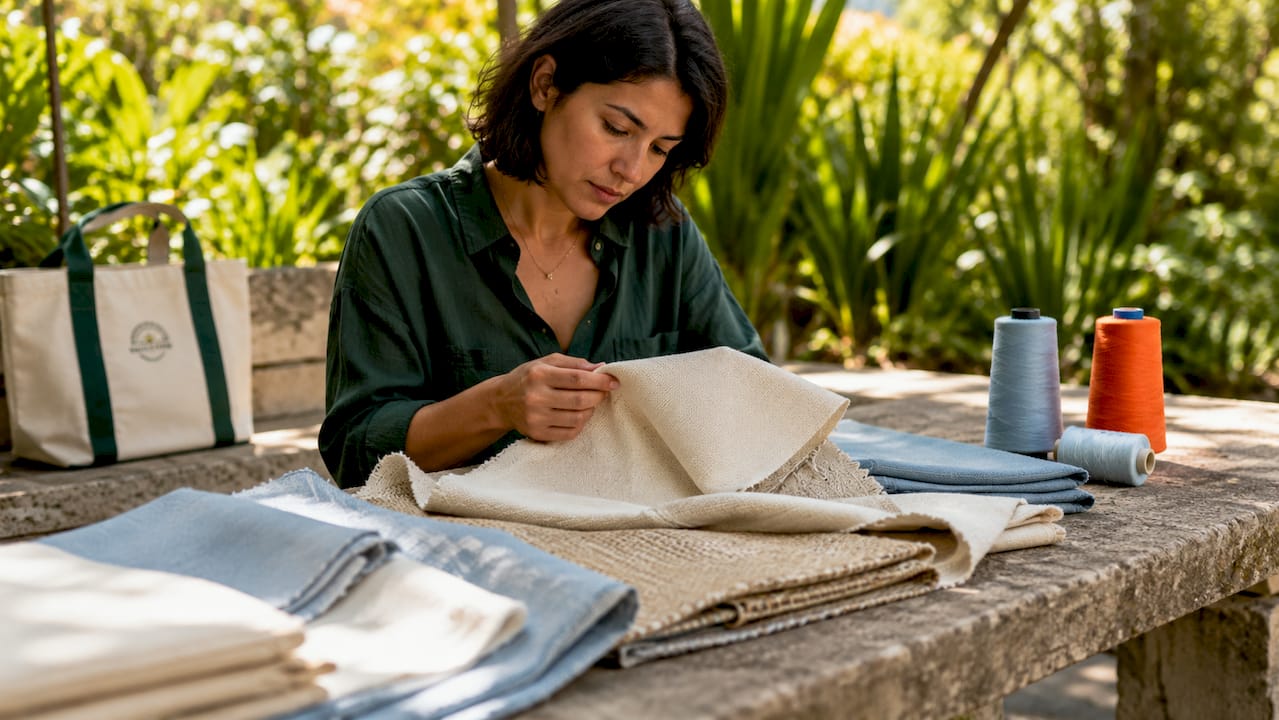
Pro Tip: Choose a tightly woven cotton canvas or duck cloth for dining chairs rather than a loose plain weave. The denser construction resists abrasion and holds its shape far longer.
2. Linen upholstery fabric
Linen offers a refined, textured appearance that suits transitional and contemporary interiors. Its natural fiber structure is breathable and cool to the touch, making it a practical choice for warm climates. The drawback is that linen wrinkles and creases easily under regular use, and it can weaken with prolonged exposure to direct sunlight. Linen performs best as an accent fabric on occasional chairs or decorative cushions rather than primary seating. Blending linen with synthetic fibers improves its durability without sacrificing its characteristic texture.
3. Wool and wool-blend upholstery fabric
Wool is the most durable natural upholstery material available. Long-term wear data shows wool records only 16% visible damage over ten years, the lowest rate of any fabric category tested. Wool blends perform nearly as well, recording 21% damage over the same period. That durability comes from wool’s natural elasticity, which allows the fiber to recover its shape after compression. Wool also resists dry soil and has a natural lanolin coating that repels liquid spills before they penetrate the weave. The main care consideration is that wool requires professional or gentle cleaning to avoid shrinkage.
Wool blends combine wool’s durability with the dimensional stability of synthetic fibers. They are a practical choice for high-traffic living rooms and family spaces where long-term wear matters. For a deeper look at how fiber durability translates to real-world performance, the upholstery fabric guide from Beautifulwindowselgin covers construction factors in detail.
4. Silk and specialty natural fabrics
Silk is the most luxurious entry on any upholstery fabric list, prized for its sheen and smooth drape. It works well on formal accent chairs and decorative ottomans in low-traffic rooms. Silk is delicate under abrasion and fades quickly in direct sunlight, which limits its practical applications. Specialty natural fabrics like hemp and jute appear in casual and organic interior styles. Hemp is notably durable for a plant-based fiber, while jute is better suited to decorative applications than heavy seating use.
5. Velvet upholstery fabric
Velvet is a construction type rather than a single fiber, woven from cotton, polyester, or silk to create its characteristic pile. It ranks among the more durable fabric options, with velvet recording 23% reported damage over ten years. That result places velvet well above cotton, linen, and synthetic fabrics in long-term performance. Polyester velvet is the most practical version for everyday use because it resists crushing and cleans more easily than silk or cotton velvet. Velvet adds depth and richness to sofas and headboards, and its pile creates a visual texture that photographs well in designed interiors.
6. Polyester and microfiber upholstery fabric
Polyester is the dominant synthetic fiber in upholstery because of its color retention, resistance to fading, and relatively low cost. Microfiber polyester, woven at a very tight density, offers high abrasion resistance and repels stains effectively. The tight weave prevents liquid from penetrating quickly, giving you time to blot spills before they set. Synthetic fabrics as a category recorded 32% damage over ten years, which places them in the mid-range of durability. The actual performance of any polyester fabric depends heavily on weave density and any applied finish, not on the fiber alone.
Pro Tip: When reviewing upholstery fabric swatches, rub the surface firmly with a white cloth. A fabric that pills or sheds fiber quickly in this test will show the same behavior on your furniture within months.
7. Olefin, nylon, and acrylic upholstery fabrics
Olefin, also called polypropylene, is highly resistant to moisture, mildew, and UV fading, making it a strong choice for indoor-outdoor furniture. Nylon is one of the most abrasion-resistant synthetic fibers available, though it can pill if woven loosely. Acrylic mimics the look and feel of wool at a lower price point and resists UV degradation well. Each of these synthetics performs differently depending on construction. A loosely woven acrylic will wear faster than a tightly woven cotton canvas, which confirms that fiber type alone does not determine durability.
8. Blended upholstery fabrics
Blended fabrics combine natural and synthetic fibers to capture the strengths of both. A cotton-polyester blend, for example, adds dimensional stability and stain resistance to cotton’s softness. Blended fibers improve overall strength but introduce cleaning challenges because natural and synthetic components react differently to water, heat, and cleaning agents. Uneven shrinkage and dye inconsistency are the most common problems during restoration. Always check the care label and test any cleaning method on a hidden area before treating the full surface. For guidance on evaluating blended options, the upholstery fabric checklist from Beautifulwindowselgin outlines the key criteria to review before purchasing.
9. Leather upholstery: grades and durability
Leather upholstery is graded by the layer of hide used, and that grade directly determines durability and cost. Full-grain leather comes from the outermost hide layer, retains the natural grain, and is the most stain-resistant and long-lasting option. Top-grain leather is sanded to remove surface imperfections, which reduces some of its natural durability but produces a more uniform appearance. Genuine leather is made from lower hide layers and scraps, making it the least durable and least expensive grade.
Real leather recorded 40% visible damage over ten years in long-term testing. Faux leather performed significantly worse, recording 57% damage over the same period. That gap is meaningful for homeowners choosing between real and synthetic leather options.
| Leather type | Durability | Cost level | Best use |
|---|---|---|---|
| Full-grain leather | Highest | Premium | High-use sofas, executive seating |
| Top-grain leather | High | Mid to high | Living room sofas, accent chairs |
| Genuine leather | Moderate | Budget | Occasional chairs, low-traffic pieces |
| Faux leather | Lowest | Low | Decorative or temporary use |
10. How weave, finish, and construction affect performance
Fiber content is only one factor in how an upholstery fabric performs. Construction and finish determine abrasion resistance and durability more than fiber type alone. A tightly woven cotton with a performance finish will outperform a loosely woven polyester in daily use. Backing materials add body and reduce stretch, which helps fabric hold its shape over time. Chemical finishes, including stain-repellent and antimicrobial treatments, extend the functional life of any fabric regardless of its fiber content.
| Construction factor | Effect on performance |
|---|---|
| Tight weave | Higher abrasion resistance, longer wear |
| Loose or decorative weave | Lower durability, prone to snagging |
| Performance finish | Improved stain and liquid repellency |
| Fabric backing | Added stability, reduced stretch |
| Blended fiber construction | Improved strength, complex cleaning needs |
Choosing fabric for a high-traffic household means prioritizing tight weave and a performance finish over fiber type alone. For commercial or rental environments, the same principle applies with even greater weight. The role of weave and finish in upholstery performance is covered in detail by Beautifulwindowselgin for residential applications.
Key takeaways
Wool and tightly woven synthetics with performance finishes deliver the best long-term durability, while leather grade and fabric construction matter as much as fiber type when selecting upholstery materials.
| Point | Details |
|---|---|
| Wool leads in durability | Wool records only 16% visible damage over ten years, the lowest of any tested fabric. |
| Construction matters more than fiber | Tight weave and performance finishes outperform loose weaves regardless of fiber content. |
| Leather grade determines longevity | Full-grain leather lasts longest; faux leather shows 57% damage over ten years. |
| Blends improve strength but complicate care | Blended fabrics may shrink or dye unevenly, requiring careful cleaning methods. |
| Velvet is more durable than it looks | Velvet records 23% damage over ten years, outperforming cotton, linen, and synthetics. |
What I’ve learned from working with upholstery fabrics
The question I hear most often is whether a fabric is “durable.” That question is almost always incomplete. Durability is not a property of fiber alone. It is the result of fiber, weave, finish, and how the piece will actually be used. A wool sofa in a home with three dogs and two children needs a tighter weave and a stain-repellent finish to perform well. The same wool fabric on a formal settee in a guest room will last decades without issue.
The most overlooked fabrics on any upholstery fabric list are wool blends and polyester velvet. Wool blends give you near-wool durability at a lower price point, and polyester velvet holds up far better than its luxurious appearance suggests. Designers often avoid velvet because of its reputation for crushing, but modern polyester velvet recovers well and cleans easily.
My strongest advice for homeowners and designers is to order physical swatches before committing to yardage. A fabric that looks perfect on a screen may feel thin or stiff in person. Rub the swatch, fold it, and hold it up to your room’s light. The swatch tells you more than any product description. Retailers who offer swatches and fabric consultations, like Beautifulwindowselgin, make that evaluation step straightforward and accessible before you place a full order.
— Marrion
Quality upholstery fabrics from Beautifulwindowselgin
Beautifulwindowselgin carries a curated selection of upholstery and drapery fabrics sold by the yard, including jacquard satin, embroidered textiles, and solid and textured options suited to both furniture and window treatments. The collection covers a wide range of colors and constructions, from rich solid and textured upholstery materials to patterned options for accent pieces.
Beautifulwindowselgin also offers fabric samples, design consultations, and custom drapery services with nationwide shipping. Whether you are selecting fabric for a reupholstery project or a full interior refresh, the team provides guidance on fiber content, construction, and care requirements to match your specific needs.
FAQ
What is the most durable upholstery fabric?
Wool is the most durable upholstery fabric, recording only 16% visible damage over ten years in long-term testing. Wool blends follow closely at 21% damage over the same period.
How do I choose upholstery fabric for a high-traffic room?
Prioritize tight weave, performance finishes, and fiber types rated for abrasion resistance, such as wool, wool blends, or microfiber polyester. Construction and finish matter more than fiber content alone for high-use environments.
Is faux leather a good upholstery material?
Faux leather is the least durable leather option, recording 57% visible damage over ten years compared to 40% for real leather. It suits decorative or low-traffic applications but is not recommended for primary seating in active households.
What are the best upholstery fabrics for easy cleaning?
Microfiber polyester and full-grain leather are the easiest upholstery materials to clean. Blended fabrics require more care because their natural and synthetic components react differently to cleaning agents.
Does velvet hold up well as an upholstery fabric?
Velvet is more durable than its appearance suggests, recording 23% visible damage over ten years. Polyester velvet is the most practical version for everyday use because it resists crushing and cleans more easily than silk or cotton velvet.
Recommended
- Upholstery Fabric Types: A Practical Guide for 2026 – Fabric Store in Columbia, SC | Drapery Making Services
- Defining upholstery materials: A practical guide for homes and designe – Fabric Store in Columbia, SC | Drapery Making Services
- Upholstery Fabric Checklist: A Practical Guide – Fabric Store in Columbia, SC | Drapery Making Services
- Upholstery Fabric–Versatile Material for Home Décor Projects – Fabric Store in Columbia, SC | Drapery Making Services